Baby Refuses Solids but Drinks Milk? Here’s What to Do (From a Pediatric NP)
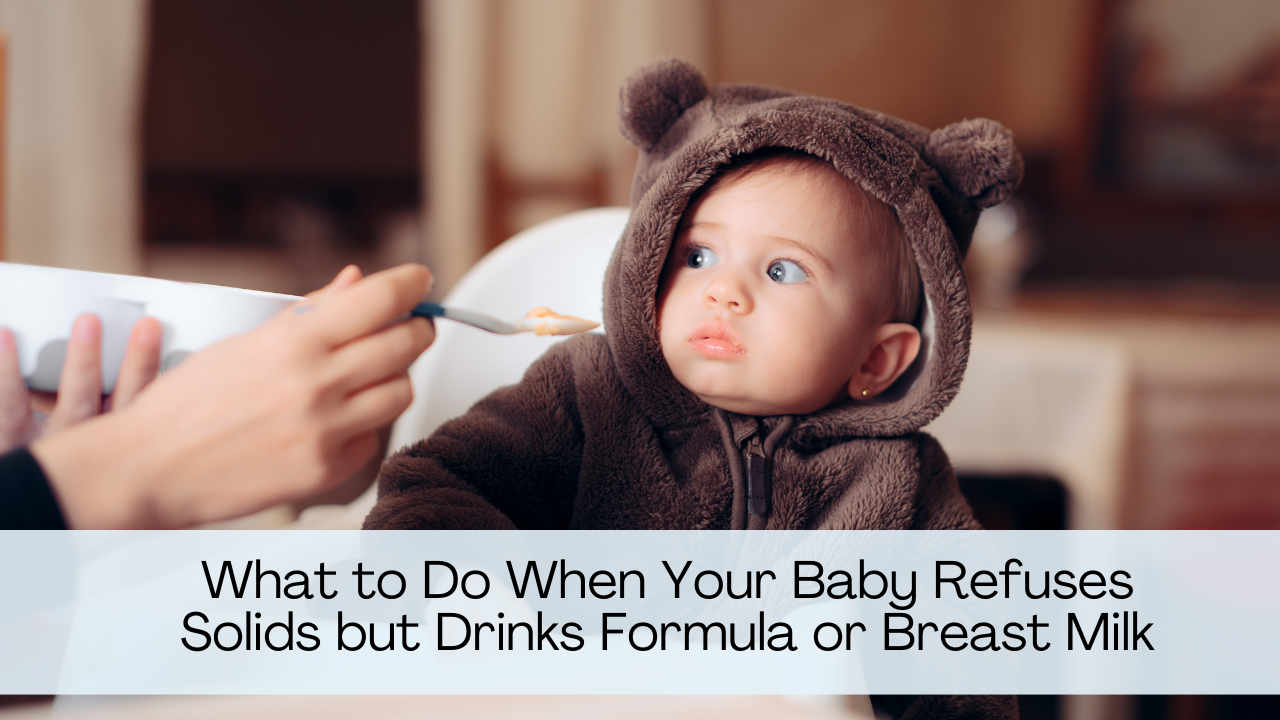
“My baby won’t eat solids but still drinks milk.”
“Why won’t my baby eat solids?”
“My 8 month old doesn’t want to eat solids.”
“My 11 month old won’t eat solids...should I be worried?”
If this sounds familiar, you are not alone.
And you are not doing anything wrong.
Feeding is a developmental skill. And like rolling, crawling, or walking, babies reach it at their own pace.
Some babies dive into solids at 6 months.
Others take a slower, more cautious approach.
In this guide, we’ll walk through:
-
Why babies refuse solids
-
What to do when baby is not interested in solids
-
How much milk is too much
-
What’s normal at 6, 8, 9, 10, 11, and 12 months
-
When you should worry
-
What to do if your 1 year old refuses to eat solids
Let’s break it down.
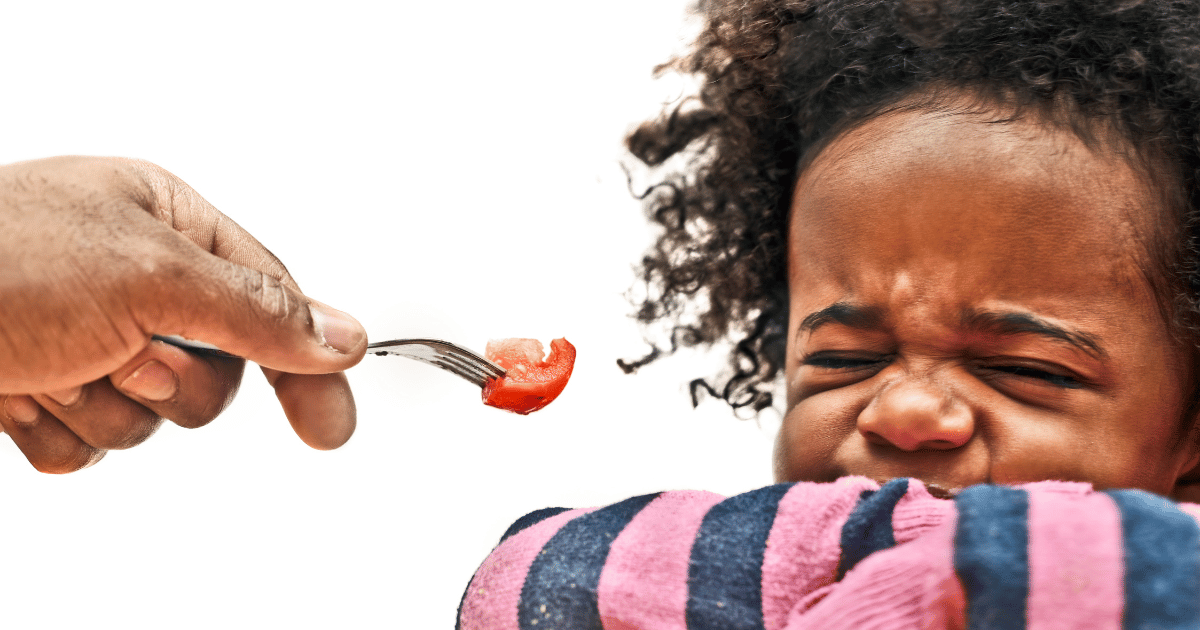
Why Won’t My Baby Eat Solids?
Babies might refuse solids for a variety of reasons, and understanding the root cause can help guide your next steps. Here are a few common reasons:
-
They are not developmentally ready:
Six months is a starting point, not a deadline. Some babies need more time to develop trunk stability, oral motor coordination, and interest in food.
If your 6 or 7 month old is not eating solids, this can still be completely normal.
If your baby is hitting all milestones, but refuses to eat solids, make sure not to pressure them into eating. Instead, try again in a few days. -
They’re teething or sick:
If your 6 to 8 month old is not eating solids or your 9 month old is refusing solids suddenly, teething may be the cause. Sore gums can make textured food uncomfortable.
Cold yogurt, chilled fruit in a teether, or softer foods are often better tolerated. The good news is that usually this is short lived.
Illness is a common cause of a baby suddenly refusing solids. Sometimes babies stomachs fill with mucus and they are no longer interested in solids.
>>> Click here to learn about feeding your baby while they are sick.
-
They have a strong gag reflex:
Gagging is common and protective when starting solids. However, if your baby gags on every texture or if your baby cannot swallow any solids at 9 or 10 months, I recommend a further conversation with your pediatric provider.
It is rare, but some babies are unable to swallow any food without gagging. -
They’re full from milk:
If your baby won’t eat solids but drinks milk well, milk intake may be the reason your baby is refusing solids. Babies who drink large volumes of milk, especially over 32 ounces per day at 9-10 months, may be full and not want to eat solid foods.
Spacing milk earlier in the wake window can make a big difference.
I recommend waiting at least 30 to 45 minutes after a bottle to try solid foods. -
Feeding environment or method:
High-pressure environments, spoon feeding without respecting cues, or unrealistic expectations may cause resistance.
- Sensory Sensitivity:
Some babies are cautious with texture. If your baby refuses lumpy foods, avoids touching food, or only accepts smooth purees, they may need gradual exposure and low-pressure practice.
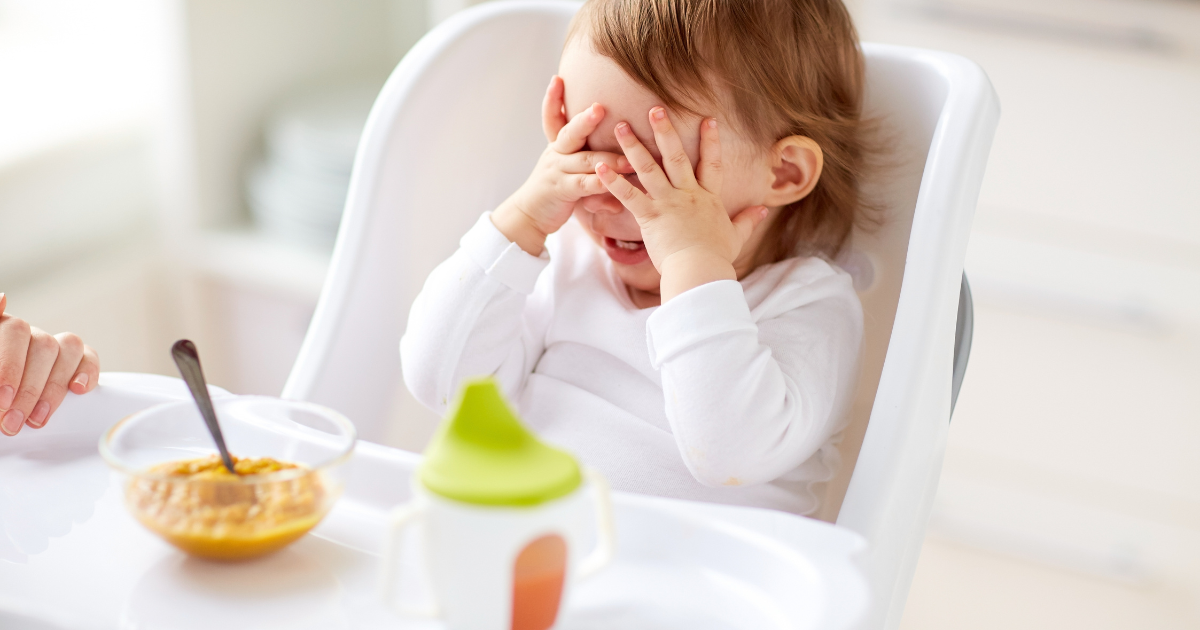
Baby Not Eating Solids by Age
Parents often search for age-specific concerns. Here’s what’s typical at each stage:
6 Month Old Refusing Solids
If your 6 month old is refusing solids, this is very common. Milk remains the primary source of nutrition. Solids are about exposure, not volume.
Some 6 month old babies truly aren't ready to start solids.
Offer food once per day. Let your baby explore without pressure. Get your baby involved in your meals and show them how to eat in over-exaggerated movements. It makes you feel silly, but that is how babies learn!
7 Month Old Not Eating Solids
If your 7 month old is not eating solids, continue offering daily. Eat together and show them what to do. Keep meals short and positive.
Many babies warm up between 7 and 8 months.
Consider offering food on a their tray versus feeding your baby with a spoon.
Remember, any exploration of food, including touching, smelling, bringing it to their mouths or taking a bite is a win!
8 Month Old Not Eating Solids
If your 8 month old doesn’t want to eat solids, I want to see regular practice and family meals when possible.
Continue to offer iron-rich foods daily. Experiment with soft finger foods if spoon-feeding isn’t working.
Consider trying fruit in a mesh or silicone teether.
Check milk timing to ensure your baby is arriving hungry but not overtired.
9 Month Old Not Interested in Solids
If your 9 month old is not interested in eating solids, ensure they are not eating over 32 ounces of formula or breast milk per day.
It is not concerning if your baby is eating a little bit here or there, but if your baby is not swallowing any solids at all by 9–10 months, consider discussing this with your provider.
10 Month Old Stopped Eating Solids
If your 10 month old stopped eating solids after previously doing well, this can happen during periods of development or teething phases.
Stay consistent. Avoid pressure. Offer familiar foods alongside new ones.
It is okay to lean into foods your baby likes the most.
11 Month Old Refusing Solids
If your 11 month old refuses solids and prefers milk, this is when we shift strategy. By this age, solids should be increasing and milk gradually decreasing.
If your 11 month old won’t eat solids but drinks 24+ ounces of milk daily, reducing milk slightly (with provider guidance) can help stimulate appetite.
Continue with family meals, low pressure, and low expectations.
Try a mix of spoon-fed foods, pouches (some babies love the control), and finger foods of different textures.
Baby Not Eating Solids at 12 Months
By 12 months, babies often switch to solids as the main source of nutrition.
If your baby is not eating solids at 12 months and still relies heavily on milk, it’s time to evaluate milk volume, iron intake, and oral motor skills.
A feeding therapy referral may be helpful if your baby will not eat any foods
1 Year Old Won’t Eat Solids...Should I Worry?
If your one year old is not eating solids and mostly drinks milk, ask:
- Are they gaining weight appropriately?
- Are they meeting developmental milestones?
- Are they drinking a lot of milk (over 24 ounces per day)?
- Do they eat any preferred foods?
A 1 year old who refuses to eat solids and relies on milk long-term may be at risk for iron deficiency and delayed chewing skills. This is a good time to create structure and possibly involve a professional if intake remains minimal.
Your provider might also recommend seeing a dietitian to make sure your baby's needs are being met.
When Should I Worry if My Baby Refuses Solids?
Most pediatricians agree that solid food introduction is a gradual process that begins around 6 months and progresses through the first year. If your baby is:
-
Not showing interest in solids by 9-10 months
-
Refusing all textures (purees, finger foods)
-
Having trouble with weight gain or iron levels
-
Gagging on ALL food, regardless of texture, without being able to swallow
…it may be time to talk to your pediatric provider. But in many cases, babies just need more time and a little encouragement.
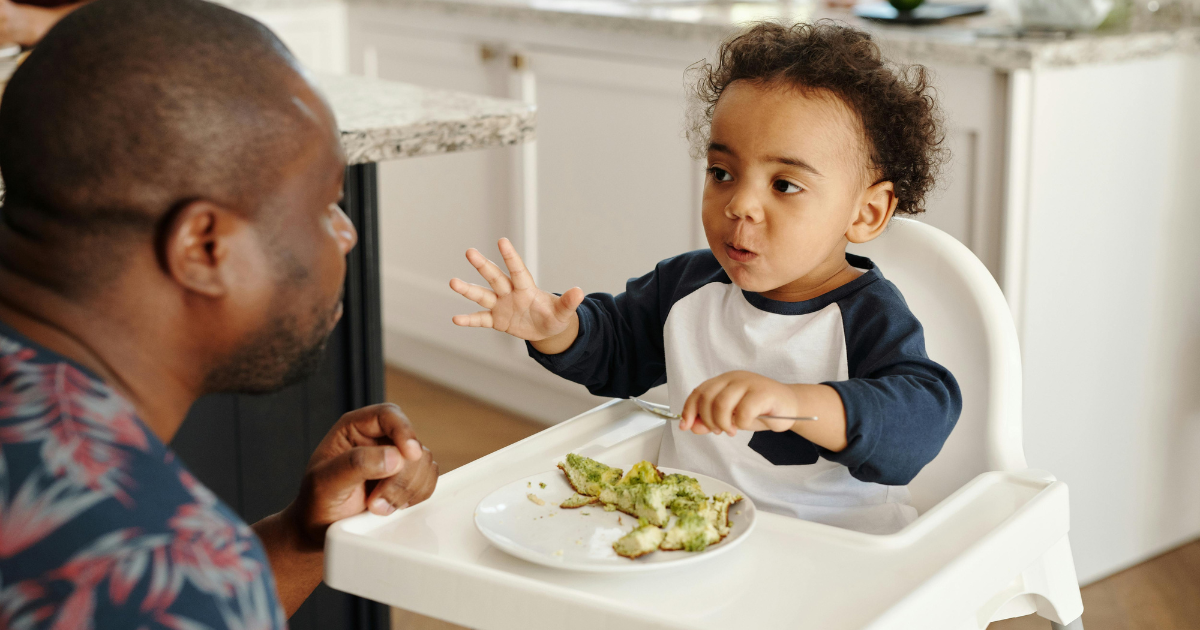
What to Do When Baby Refuses to Eat Solids
If your baby isn’t interested in solids but is otherwise healthy and growing well on formula or breast milk, here are some practical steps you can take:
1. Follow Your Baby’s Lead
One of the most effective strategies is to adopt a responsive feeding approach. This means tuning into your baby’s cues and letting them explore at their own pace. Offer solids without pressure and make mealtimes a low-stress experience.
-
Sit with your baby and eat together. Model the behavior you want them to mimic. Over exaggerate your movements. They learn how to eat from watching you.
-
Let them play with the food. Touching the food, exploring the texture or bringing it to their mouth is a win, even if they don't actually swallow anything.
-
Offer a variety of flavors and textures over time. They might take to sweeter foods over savory foods or vice versa.
-
Respect your baby's wishes. Some babies love purees, but don't love complex textures. Other babies love self feeding, but don't like to be spoon fed.
2. Shift the Feeding Schedule
If your baby is drinking a full bottle right before a solid meal, they may not be hungry enough to eat. Try offering bottles or breastmilk at the beginning of a wake window and solids at the end.
While some babies have a big appetite form the beginning, most babies eat small amounts.
Spacing milk and meals helps your baby come to the table with an appetite.
3. Let Baby Touch, Smell, and Play
Sensory exploration is a big part of learning to eat. It’s okay if your baby doesn’t eat much at first. The goal is exposure over time. Let them:
-
Squish a banana
-
Dip their fingers into applesauce
-
Mouth a soft piece of avocado
This helps reduce food anxiety and builds comfort with new experiences.
Try not to immediately wipe their face or hands. Let them get a bit messy.
There are different products that help keep clothes clean or you can put them into the bath right after a meal.
4. Try Different Textures and Temperatures
Some babies prefer soft finger foods over spoon-fed purees. Others like cold yogurt but not warm oatmeal. Experiment with:
-
Mashed sweet potato vs sweet potato wedges
-
Soft scrambled eggs vs egg strips
-
Banana strips vs mashed bananas
-
Plain avocado slices vs avocado slices rolled in hemp hearts or something to help baby grip it more easily
-
Cold vs. room temperature
Try not to rule out a food after just one refusal. It can take 10+ exposures before a baby accepts a new food.
5. Model Eating
Babies are more likely to try foods they see you eating. Sit down and eat with your baby as much as possible. Show them how you chew and enjoy food. Use exaggerated expressions and talk about how things taste.
It may make you feel silly, but it helps babies learn!
6. Involve Them in Mealtime
Babies can sit at the table during family meals starting at a young age. Being part of the routine helps babies see that eating is social and enjoyable. You can:
-
Let them hold a spoon
-
Offer a plate with small portions of what you're eating
-
Encourage them to mimic your motions
It doesn't need to be every meal! Aim for one or two per week around 3 months of age if possible.
7. Keep Mealtimes Short and Positive
If your baby resists or gets upset, it's okay to end the meal. Keep mealtimes short (5–15 minutes) and positive. Offer praise and encouragement. Over time, consistency pays off.
8. Offer Iron-Rich Foods Early and Often
If your baby is drinking a lot of breast milk, they may not be getting enough iron from solids. Offer iron-rich options regularly:
-
Fortified baby cereal
-
Ground meats
-
Mashed lentils or beans
-
Tofu
-
Eggs
Iron needs increase around 6 months, especially with breastfed babies, so incorporating these foods when possible is helpful.
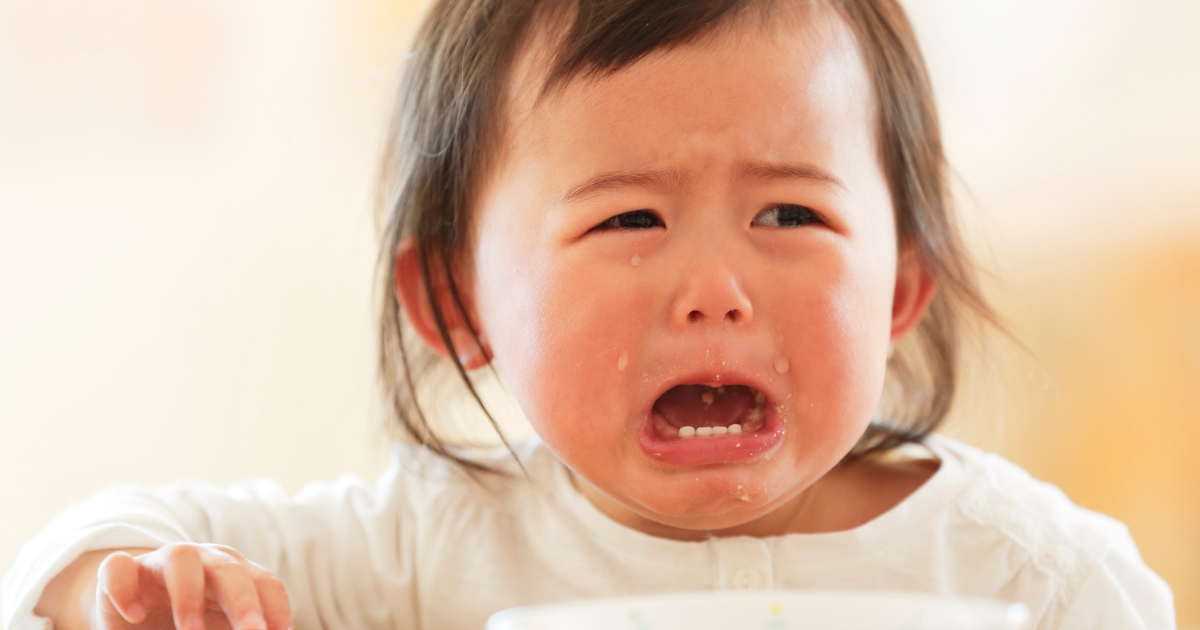
What If My Baby Refuses Solids at 10, 11, or 12 Months?
As babies approach their first birthday, pressure to “drop bottles” and move to table foods increases. But many babies still prefer milk at this age—and that’s okay.
If your baby is 10–12 months old and:
-
Is refusing most solids
-
Is still thriving on formula or breast milk
-
Is gaining weight and meeting milestones
try not to panic and do not force your baby to eat. Every baby is different and temperament plays a huge part.
This is a good time to:
-
Talk to your provider about offering smaller bottles or shorter breastfeeding sessions before solids are offered
-
Eat together as a family often
-
Lean into foods they like more. Add nutrients and subtle flavor changes to the foods they are willing to eat. For example, if your baby refuses all foods but mashed bananas, make small changes. You might consider a progression like this:
-
adding a teaspoon of coconut cream to the bananas.
-
adding cinnamon to the coconut cream bananas.
-
adding coconut cream, cinnamon, and iron-fortified baby cereal.
-
offering iron-fortified baby cereal, coconut cream, and sweet potato.
-
offering banana wedges and so on
-
-
Gently reduce milk volume if your provider agrees
Most babies gradually increase their solid intake between 9–15 months.
Don’t Compare Your Baby to Social Media
Scrolling Instagram or TikTok, it may seem like every baby is eating sushi rolls, crawfish, and gourmet finger foods at 6 months. In reality, feeding is messy, slow, and sometimes frustrating.
You’re not behind.
Your baby isn’t broken.
Solids are a learning process, not a race.
Social media can amplify unrealistic expectations and make you feel like you’re failing. Unfollow accounts that make you feel stressed and find trusted, realistic resources instead.
What Are the Best Foods to Offer When Baby Refuses Baby Food?
If your baby consistently rejects purees or traditional "baby food," it might be time to think outside the jar. Some babies prefer more textured, real-food options that they can self-feed. Some great first foods to offer include:
-
Steamed sweet potato or carrot sticks (soft enough to mash with fingers)
-
Strips of ripe avocado or banana
-
Toast fingers spread with mashed avocado or smooth nut butter (if already introduced)
-
Scrambled eggs
-
Soft pasta or cooked grains like rice or quinoa
-
Shredded cheese or soft tofu
-
Thin strips of cooked meat or squished beans
These foods offer texture, nutrition, and the opportunity for independence, often making them more appealing than spoon-fed options.
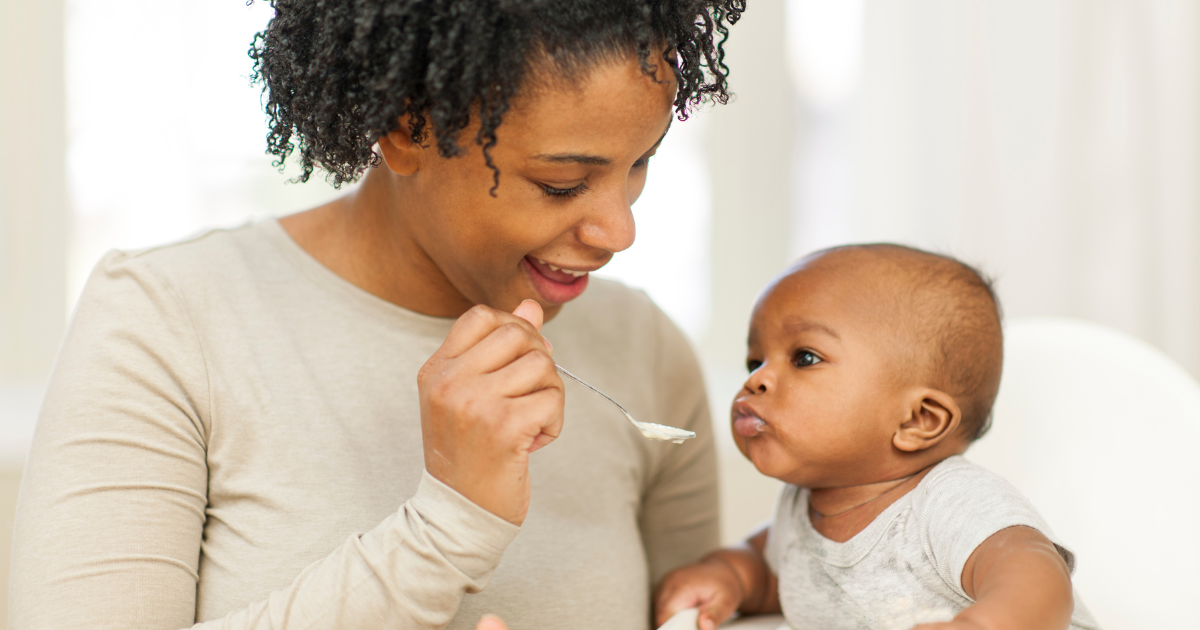
How Much Should a Baby Eat and Drink by Age?
Understanding typical intake can help you set realistic expectations. Here's a general guide to how much milk and solid food babies usually consume as they grow:
6–8 months:
-
Formula or breast milk: 24–32 oz per day
-
Solids: 1–2 small meals/day, starting with a few teaspoons to a few tablespoons per meal
8–10 months:
-
Formula or breast milk: 24–30 oz per day
-
Solids: 2–3 meals/day, increasing portion sizes gradually
10–12 months:
-
Formula or breast milk: 16–24 oz per day
-
Solids: 3 meals + 1–2 snacks/day
Always watch your baby’s cues and remember that these are general guidelines—appetite can vary day to day and every baby is different.
When to Talk to a Professional
If your baby is consistently refusing solids, especially past 9–10 months, and you’re feeling unsure, a feeding evaluation may help. You can ask your pediatrician for a referral to:
-
A pediatric feeding therapist (often an SLP or OT)
-
A dietitian who specializes in infant nutrition
-
A medical provider with feeding expertise (like me!)
There’s no shame in needing extra help and early support can make a big difference.
If your baby isn’t eating solids yet, take a deep breath. It doesn’t mean you’ve done anything wrong. Keep offering, keep modeling, and stay consistent. Feeding is a journey, and progress can happen in small steps.
Remember:
-
Exposure is more important than intake early on.
-
Messy meals mean learning is happening.
-
Some babies take longer, and that’s okay.
Frequently Asked Questions (FAQ)
Why won’t my baby eat solids but drinks milk?
Milk is familiar, easier to consume, and more efficient. If milk intake is high, your baby may not feel hungry enough for solids. Adjusting timing and gradually reducing volume (with provider guidance) often helps.
When should I worry if my baby is not eating solids?
If your baby is not swallowing any solids by 9-10 months, relies almost entirely on milk at 11-12 months, or shows poor weight gain, it’s time to speak with your pediatric provider.
If there are any concerns with development, talking to your pediatric provider is never the wrong idea.
Is it normal for an 8 month old to refuse solids?
Yes. Many 8 month olds are still learning. Intake can be small. What matters most is regular exposure and gradual progress.
Make sure that meals are a positive experience. Power struggles can result in more difficulty with eating later on.
What if my 11 month old won’t eat solids?
At 11 months, solids should be increasing. Evaluate milk intake, structure meals consistently, and consider discussing feeding skills with your provider if progress is minimal.
Make sure to give yourself some grace. It is so challenging.
Can teething cause a baby to refuse solids?
Yes. Teething discomfort can temporarily reduce appetite and increase preference for milk. Offer softer or chilled foods and keep meals low-pressure.
It should be short lived and improve when teeth erupt and gums heal.
How much should a 1 year old eat?
By 12 months, solids should be the primary source of nutrition, with milk limited to about 16–24 ounces per day. Intake will vary day to day, but structure is important.
Serving sizes are small for a 12 month old. A meal consists of a few tbsp of a few types of food.
If your baby refuses solids, take a breath. Feeding is a skill that develops with time, practice, and patience. Exposure matters more than perfection.
Please speak with your pediatric provider for questions.
Need personalized support? As a pediatric nurse practitioner and feeding expert, I help families just like yours find confidence and calm in feeding decisions.
free guide
The FREE Printable 150 First Foods Guide
We hate SPAM. We will never sell your information, for any reason.