Breast Engorgement: Causes, Symptoms, and How to Get Relief Fast

Breast engorgement can come on fast, and for a lot of moms, it’s surprising.
One day you’re wondering, “When is my milk going to come in?” And the next…your breasts feel hard, swollen, painful, and honestly kind of unrecognizable.
I hear this all the time:
- “Is this normal?”
- “Why do they feel like this?”
- “How do I make it stop?”
If that’s you, you’re not alone. And you’re not doing anything wrong.
This is a very common part of early postpartum and also shows up during feeding transitions.
As a pediatric nurse practitioner and lactation counselor, my goal is simple here:
Help you understand what’s happening in your body and how to get relief quickly and safely.
What Is Breast Engorgement?
Breast engorgement is when your breasts become overly full, but it’s not just milk.
You’re also dealing with:
- Increased blood flow
- Lymphatic fluid
- Expanding milk production
- Inflammation
That combination is why it can feel so intense.
Most moms expect some fullness when milk comes in.
Engorgement feels different.
It’s more:
- Tight
- Heavy
- Pressurized
Your skin may look stretched or shiny, and your breasts can feel firm or even hard. I’ve heard moms describe their breasts as looking like two huge rocks.
This most commonly happens when milk transitions between days 2–5 postpartum, but it can happen anytime milk isn’t being removed effectively.
Breast Engorgement Causes
There’s usually not just one cause…it’s a combination of what your body is doing and how milk is being removed.
In the early postpartum days:
- Milk production ramps up quickly
- Blood flow increases
- Fluid shifts into breast tissue
- Swelling occurs
That’s what creates that sudden “overnight” fullness.
But engorgement doesn’t just happen in the beginning.
I see it a lot when:
- Babies start sleeping longer stretches
- Feeding schedules become more spaced out
- Milk transfer isn’t effective (even subtle latch issues)
Oversupply can also play a role. Some moms naturally make more milk than their baby needs, and that extra volume builds pressure quickly.
And then there’s weaning.
If feeding or pumping decreases too quickly, your body doesn’t have time to adjust. Milk is still being made, but not removed.
That’s when engorgement shows up again.
Breast Engorgement Symptoms
Most moms notice something feels off pretty quickly. One minute they feel like their baby is latching to their normal breasts and the next it is completely different.
Common breast engorgement symptoms include:
- Very full, tight, or heavy breasts
- Throbbing or constant pressure
- Swelling (sometimes extending into the armpit)
- Shiny, stretched skin
- Breasts that feel firm or hard
One thing that catches moms off guard:
Your nipple can flatten when you’re engorged.
That swelling makes it harder for your baby to latch so feeding can suddenly feel frustrating for both of you.
Some moms also notice warmth or even a mild temperature. That can still fall within normal engorgement but it’s important to know when it’s something more, which I will share more about in the next section.

Engorgement vs Mastitis: When to Be Concerned
Engorgement is uncomfortable, but usually it’s not dangerous.
What we want to watch for is mastitis, which is an infection.
Symptoms of mastitis include any of the following:
- Fever over 100.4°F
- Chills or body aches
- A red, painful, localized area on the breast
But how can you tell the difference?
Engorgement often occurs in both breasts and can usually be tied to a certain situation (for example: baby slept longer than usual, missed breastfeeding session). It may result in warm or tender skin, but it often happens all over the breast.
Mastitis often shows up in one breast and sometimes you can point to the specific area it is occurring. It is often red, warm to touch and the area may get bigger. You may have flu-like symptoms such as body aches, chills or fever without having any other symptoms like cough, sore throat or congestion.
I have worked with many moms who don’t have the typical symptoms of mastitis, so when in doubt, make sure to reach out to your OB or primary care provider.
While engorgement improves with intervention or milk removal, mastitis needs to be closely followed and may require antibiotics.
Breast Engorgement vs Clogged Duct: What’s the Difference?
Breast engorgement and clogged ducts are often confused, but they’re not the same—and knowing the difference helps you treat them correctly.
Breast engorgement
Breast engorgement is generalized swelling of the breast.
It usually feels like:
- Full, tight, or heavy breasts
- Firm or hard tissue
- Swelling across the entire breast (sometimes both sides)
This commonly happens when:
- Milk first comes in (days 2–5 postpartum)
- You go longer between feeds
- Milk isn’t being removed effectively
The key issue is overall fluid buildup (milk + swelling), not a single blockage.
Clogged duct
A clogged duct (also called a plugged duct) is more localized.
It typically shows up as:
- A specific tender lump or firm spot
- Pain in one area of the breast
- A spot that doesn’t fully soften after feeding
It’s caused by milk not draining well from one duct, often due to pressure, missed feeds, or ongoing engorgement.
How to tell the difference quickly
- Whole breast feels hard and swollen → likely breast engorgement
- One specific painful lump → likely a clogged duct
You can have both at the same time, but one is usually the main issue.
Can engorgement lead to clogged ducts?
Yes.
When the breast is very swollen, milk flow slows down. That makes it easier for milk to get backed up in certain areas, which can lead to a clogged duct.
Why engorgement vs clogged ducts matters for treatment
- Breast engorgement treatment focuses on reducing swelling and keeping milk moving
- Clogged duct treatment focuses on improving drainage in one specific area
Overdoing it (too much pumping, deep massage, constant heat) can actually worsen inflammation in both cases.
When to be concerned
Watch for signs of mastitis, including:
- Fever
- Chills or body aches
- Red, painful area that’s getting worse
If those show up, reach out to your provider.
Breast Engorgement Treatment: What Actually Helps
The goal here is simple:
Reduce swelling + keep milk moving without overstimulating supply.
This is where a lot of moms get stuck.
Pumping more feels like the obvious solution.
When you’re uncomfortable, your instinct is to “empty everything out.” But the problem is that your body doesn’t interpret frequent emptying as relief, it reads it as demand.
That can keep milk production high and sometimes make engorgement last longer.
Instead, the focus needs to shift from fully emptying the breast to supporting comfortable, effective milk removal.
If you’re breastfeeding, make sure to feed on demand, no longer than every 2-3 hours in the beginning.
Before feeding, the goal is to make it easier for your baby to latch.
When the breast is very full, firm, or tight, the nipple can flatten and the areola becomes less compressible.
This is where a short amount of hand expression can make a big difference. You’re not trying to drain the breast, you’re just softening the tissue enough that your baby can latch more easily and transfer milk effectively.
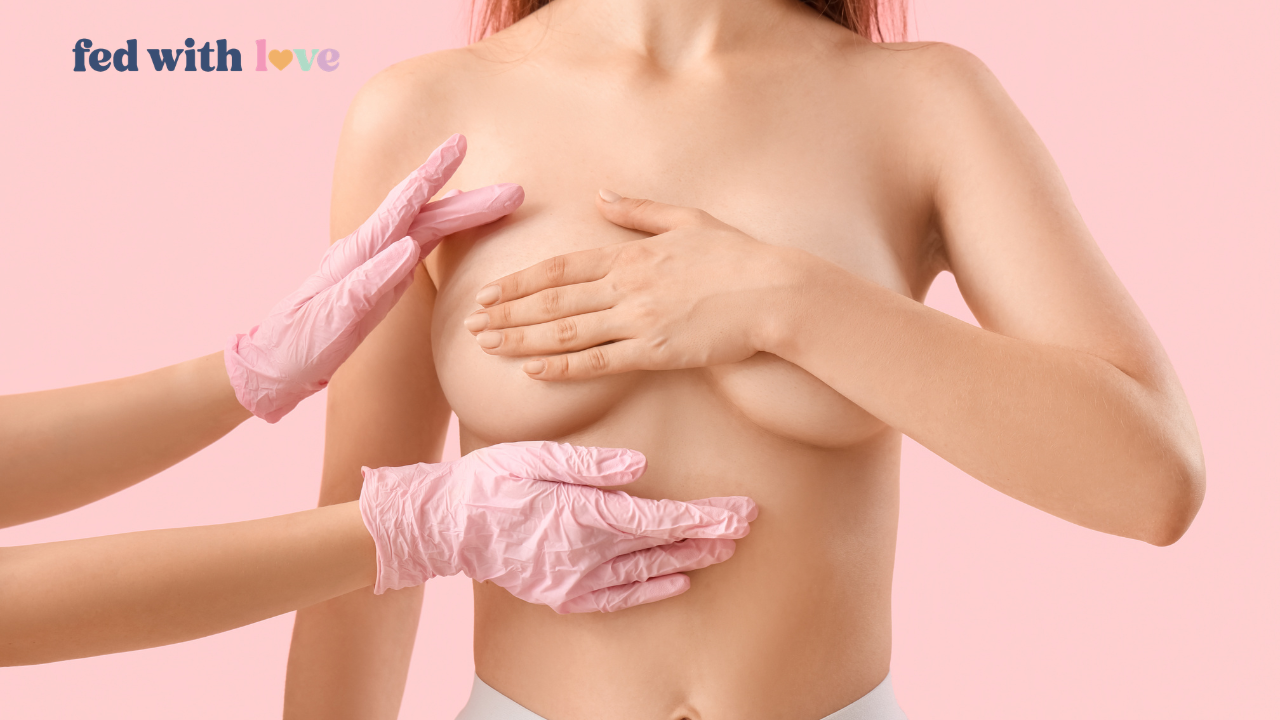
Other options include reverse pressure softening, which is putting your fingers around the base of the nipple where it meets the areola and using light pressure away from the nipple or toward the chest wall. Do this for a minute or so all around the nipple to more the fluid and make the nipple less taut.
Lymphatic drainage massage uses light pressure from your nipple to the armpit to drain lymph fluid in the breast. Massage can also help, but this is one area where technique really matters. Think light pressure, slow strokes, and guiding fluid outward toward the armpit or up toward the collarbone.
Breast gymnastics helps elongate the ducts and move milk that might otherwise be stagnant due to inflammation. See the YouTube video above for instructions.
After feeding, the focus shifts. Once milk has been removed, the priority becomes reducing inflammation and swelling. This is where cold therapy is most effective.
Cold packs applied after feeds can significantly reduce that tight, throbbing feeling. Many moms notice this is what actually brings the most relief, especially when the breasts feel “hot” or overly full.
What I often see go wrong is deep, aggressive massage on firm areas. That doesn’t “break up milk” - it actually increases inflammation in the tissue, which can make swelling worse and leave you feeling uncomfortable for longer.
If it hurts, it’s too much.
How to Relieve Breast Engorgement When Not Breastfeeding
Unfortunately, engorgement still happens if you’re exclusively formula feeding or in the process of weaning.
The key difference is that the goal is no longer milk removal to support feeding. The goal becomes gradual reduction of milk production while keeping you comfortable.
There may be an instinct is to fully empty the breasts to relieve pressure, but that can actually signal your body to keep producing milk longer than it needs to.
Instead, the focus shifts toward comfort and reduce milk removal slowly.
Using cold packs throughout the day helps reduce swelling and gently signals the body to slow production over time.
A supportive bra can also make a difference. You want something that feels secure because movement can increase discomfort, but it should not be tight or restrictive.
Compression or binding is not recommended…it can actually increase the risk of clogged ducts since it makes it harder for milk to move.
If you find yourself very uncomfortable, a small amount of hand expression can help. Remember…you only want to remove enough milk to relieve pressure, not enough to fully empty the breast.
That balance is what helps your body decrease production while maintaining your comfort.
Breast Engorgement Home Remedies
There’s a lot of advice online about breast engorgement, and honestly, not all of it is helpful. Some of it is overly complicated, and some of it misses the point.
One of the more well-known home remedies is chilled cabbage leaves.
And yes…it sounds odd, but there is some evidence and a lot of clinical experience behind it. They don’t “fix” engorgement, but they may help reduce swelling and provide a cooling, soothing effect when applied to the breasts for short periods.
If cabbage leaves aren’t your style, check out this cream which contains the same enzyme as the leaves to provide relief.
Hydration is another piece that gets overlooked. While drinking water won’t directly reduce milk supply, dehydration can make swelling and fatigue feel worse overall.
When your body is already under stress postpartum, even small things like this matter.
There are certain teas that can also help reduce milk supply.
At the end of the day, you don’t need a long list of remedies. The most helpful approach is consistency with the basics: supporting milk flow appropriately, reducing inflammation with cold therapy and ibuprofen, and avoiding unnecessary stimulation that keeps supply elevated.
Breast Engorgement Cream: Do You Need One?
Short answer: not really, but sometimes they are helpful.
There are creams available that parents swear by to help decrease inflammation. Some parents swear by this cream to improve symptoms and decrease milk supply faster.
How Long Does Breast Engorgement Last?
This is usually the next question once you’re in it.
When milk first comes in after birth, the intense engorgement tends to peak quickly and then improve within about 24-72 hours as long as milk is being removed consistently and effectively.
You may still experience some intermittent engorgement.
If engorgement is happening later, like during schedule changes, return to work, or weaning, the timeline can be a bit more variable. In most cases, it improves within a few days once your body adjusts and milk removal matches demand again.
If it’s getting worse, not improving, or lasting longer than expected, it doesn’t hurt to get checked out.
If you can pinpoint the pain to a small area, you might be experiencing a clogged duct.
When to Get Help
You don’t have to figure this out on your own.
Reach out if:
- Pain is getting worse instead of better
- Feeding becomes difficult because of fullness or latch issues
- You notice signs of mastitis
- Engorgement isn’t improving after a few days
Early support can prevent things from escalating and usually makes resolution much faster.

Breast Engorgement FAQ
Can breast engorgement cause clogged ducts?
Yes, it can. When the breast is very full and swollen, milk doesn’t flow as easily through the ducts. That pressure can lead to areas where milk gets “stuck,” increasing the risk of clogged ducts. Regular, gentle milk removal helps keep things moving and lowers that risk. You can also try breast gymnastics and work on decreasing inflammation.
Can breast engorgement decrease milk supply?
It can over time if it’s not managed. When milk sits in the breast too long, it sends signals to your body to slow production. So even though engorgement feels like “too much milk,” it can eventually contribute to a drop in supply if milk isn’t moving well.
Why does breast engorgement make it hard to latch?
Swelling makes the breast tissue firm and can flatten the nipple and areola. Babies need that area to be soft and compressible to latch deeply. Softening the breast slightly before feeding can make a big difference in helping your baby latch and stay latched.
Can engorgement affect my baby’s feeding?
Yes, and it often does. Milk flow can be unpredictable…sometimes too fast, sometimes harder to get started. Combined with latch difficulty, this can make babies fussy at the breast or lead to shorter, less effective feeds.
Is it normal for one breast to be more engorged than the other?
Very normal. Most moms naturally produce more milk on one side, and babies often have a preferred breast. That combination can make one side feel significantly more full or uncomfortable.
Can engorgement cause a fever?
A mild, low-grade temperature can happen with significant engorgement due to inflammation. But if you have a fever over 100.4°F along with chills or body aches, that’s more concerning for mastitis and should be evaluated.
Should I use heat or ice for engorgement?
Both can help but timing just matters. Use heat briefly before feeding to encourage milk flow, and use ice after feeding to reduce swelling and discomfort. Using heat all day can actually make swelling worse.
Can tight bras make engorgement worse?
Yes. Tight or restrictive bras can put pressure on breast tissue and interfere with milk flow, increasing discomfort and the risk of clogged ducts. A supportive but non-restrictive bra is the best option.
Is engorgement worse at night?
For many moms, yes. Longer stretches between feeds, especially as babies start sleeping more, can lead to increased fullness overnight. It’s very common to feel most uncomfortable first thing in the morning.
Can engorgement happen weeks or months later?
Absolutely. Engorgement isn’t just a newborn-phase issue. It can happen anytime there’s a change in milk removal, like longer sleep stretches, returning to work, or weaning.
Should I drink less water to reduce supply?
No. Cutting back on fluids doesn’t meaningfully reduce milk production and can make you feel worse overall. Staying hydrated supports your body as it adjusts.
Do medications help?
They can help with pain and inflammation, but they don’t fix the underlying cause. The most effective treatment is still managing milk flow and reducing swelling.
Certain medications can be used to decrease milk supply faster.
Can engorgement come back after it improves?
Yes, especially if feeding or pumping patterns change again. Even something like a longer stretch of sleep can trigger it temporarily. Adjusting early usually prevents it from becoming severe.
When should I see a lactation consultant for engorgement?
You don’t have to wait until things feel severe. It’s worth getting support if your baby is struggling to latch, feeding feels stressful or painful, or engorgement keeps coming back despite your efforts.
free guide
The FREE Printable 150 First Foods Guide
We hate SPAM. We will never sell your information, for any reason.