Iron Rich Foods for Babies & Toddlers
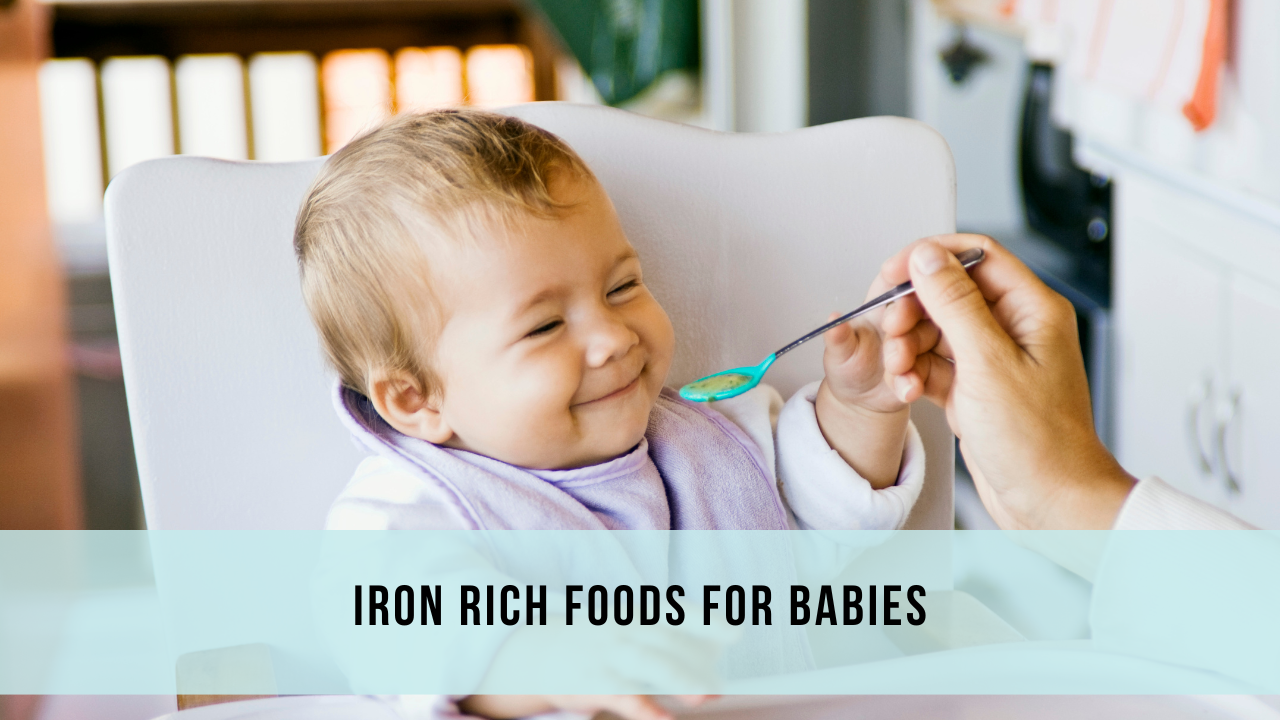
One of the most common questions parents ask me is:
“We are starting solids soon...what is the best first food?”
Here’s the great news: you can start with almost ANY real food.
There is no evidence that starting with fruit makes babies “prefer sweet foods.” Breastmilk and formula are naturally sweet, so your baby is already familiar with that taste.
But if there’s one thing I encourage parents to prioritize when starting solids, it’s this:
Iron-rich foods.
Around 6 months of age, your baby’s natural iron stores begin to drop, and iron becomes one of the most important nutrients to focus on for brain development, growth, and healthy blood.
In this guide, I’ll walk you through:
-
Why iron matters so much
-
The best high-iron foods for babies
-
Easy iron-rich puree ideas
-
How to improve iron absorption
-
Whether cereal or supplements are necessary
Let’s make this simple.
>>> FREE GUIDE: Add FLAVOR and NUTRIENTS to your baby's food. Click here. <<<
Why iron is so important for babies & toddlers
So, what exactly is iron, and why are high-iron foods important for your baby?
Iron is a mineral that plays a crucial role in maintaining healthy blood.
It is essential for making hemoglobin, a protein found in red blood cells that transports oxygen from the lungs throughout the body. This is pretty necessary stuff, right?
But why is it so important for babies?
Well, apart from carrying oxygen from the lungs to other parts of the body, iron is also vital for proper brain or neurological development in infants and children.
As babies experience rapid growth, their bodies will demand more iron to support their development.
Babies acquire iron through three main sources:
-
Circulating Iron Stores from Mom: Babies inherit some iron stores from their mothers that typically last for about four months.
-
Breast Milk: While breastfed babies receive a small amount of iron from breast milk, it's often not sufficient to meet their growing needs.
-
Formula: Formula-fed babies get iron from the formula they consume, but incorporating iron-rich foods into your baby's diet becomes important as they start solids.
- Iron fortified foods: Many foods marketed toward babies contain added iron, especially baby cereals.
It's worth noting that babies, especially those who are exclusively breastfed, are more likely to develop anemia, a condition where the body doesn't have enough healthy red blood cells.
How much iron do babies & toddlers need?
According to pediatric guidelines:
-
Babies 0-6 months: 0.27 mg per day (met through stores + milk)
-
Babies 7-12 months: 11 mg per day
-
Toddlers 1-3 years: 7 mg per day
That 7-12 month window is when iron needs jump significantly, which is why iron-rich solid foods become so important around 6 months of age.
This does not mean every bite needs to be high in iron. But offering at least one iron-rich food per day is a smart strategy.
Signs of low iron in babies
Iron deficiency can lead to anemia. Symptoms may include:
-
Pale skin
-
Increased fussiness
-
Fatigue or sleepiness
-
Poor feeding
-
Slower growth
Most pediatric providers screen at 9 or 12 months using either a finger poke or taking blood from your baby's vein. It is usually not obvious when a baby is anemic.
But prevention is easier than treatment.
Types of iron in baby foods
There are two types:
Heme Iron (Best Absorbed)
Found in animal products:
-
Beef
-
Lamb
-
Dark meat turkey
-
Chicken thighs
-
Sardines
-
Egg yolks
Non-Heme Iron (Plant-Based)
Found in:
-
Lentils
-
Beans
-
Tofu
-
Spinach
-
Quinoa
-
Fortified cereals
Non-heme iron is absorbed less efficiently.
So here’s the trick:
Pair with Vitamin C
Vitamin C dramatically increases iron absorption.
Great vitamin C pairings:
-
Strawberries
-
Oranges
-
Mango
-
Sweet potato
-
Bell peppers
-
Broccoli
-
Tomatoes
When creating high iron baby puree recipes, combining iron + vitamin C is ideal.
Iron rich baby puree recipes
Here’s what you really came for.
These are simple, nutrient-dense, and baby-friendly.
Easy iron-rich baby food recipes
Sweet Potato + Red Lentil Iron Puree
Ingredients:
- 1 small sweet potato, peeled and diced
- ¼ cup red lentils
- 1 cup water
- Pinch cinnamon (optional)
Instructions:
- Rinse lentils.
- Add lentils and sweet potato to pot with water.
- Simmer 15–20 minutes until soft.
- Blend until smooth.
Why it works:
- Lentils = iron
- Sweet potato = vitamin C
Beef + Carrot Iron Power Puree
Ingredients:
- 2 oz ground beef
- ½ cup chopped carrots
- Splash low-sodium broth
Instructions:
- Cook beef fully.
- Steam carrots until soft.
- Blend together with broth until smooth.
Beef is one of the highest heme iron foods for babies.
Spinach + White Bean Puree
Ingredients:
- ½ cup cooked white beans (rinsed)
- ½ cup fresh spinach
- 1–2 tbsp olive oil
Steam spinach until wilted. Blend with beans and olive oil. Thin with coconut water with added vitamin C if too thick.
Serve with mashed strawberries on the side for vitamin C.
Chicken Thigh + Mango Puree
Ingredients:
- 2 oz cooked chicken thigh
- ¼ cup mango
Blend together with water or breastmilk.
Dark meat poultry has more iron than white meat.
Iron Rich Baby Oatmeal Boost
Ingredients:
- Iron-fortified oatmeal
- Mashed raspberries
- Nut butter (thinly spread)
Mix oatmeal with breastmilk or formula. Add berries for vitamin C. Consider adding hemp hearts or ground flax seed.
Sardine + Avocado Mash
Yes, sardines.
They are:
- High in iron
- High in omega-3s
- Soft and mashable
Mash ½ sardine (boneless, low sodium) with avocado and lemon juice.
Tofu + Strawberry Iron Puree
Blend:
- ¼ cup soft tofu
- ¼ cup strawberries
Tofu = plant iron
Strawberries = vitamin C
Egg Yolk + Sweet Potato Mash
Cook egg.
Mash with sweet potato.
Egg yolks contain iron, especially helpful if baby isn’t eating much meat yet.
Iron-rich smoothie for toddlers
- 1/2 cup fresh spinach
- 1/4 cup mixed berries (frozen or fresh)
- 1/2 ripe banana
- 1/4 cup yogurt (plain Greek)
- 1/2 tablespoon chia seeds
- 1/4 cup fresh-squeezed orange juice
Instructions:
- Put spinach, berries, banana, yogurt, chia seeds, and orange juice into a blender.
- Blend until smooth.
- Taste, and add more orange juice or water if it's too thick.
Iron-rich finger foods for baby-led weaning
If you are skipping purees and offering finger foods, iron is still just as important.
Here are iron-rich options that work well for baby-led weaning:
-
Shredded or finely chopped beef
-
Soft-cooked dark meat chicken
-
Lentil patties
-
Black bean fritters
-
Crumbled tofu
-
Sardines (mashed onto toast strips)
-
Scrambled egg yolk
-
Meatballs (soft, no added salt)
Tips for success:
-
Cook meats until very tender
-
Offer alongside vitamin C foods (like mango or strawberries)
-
Avoid dry, crumbly textures
Is bone marrow a good source of iron for babies and toddlers & is it safe?
Bone marrow has become more popular in the last few years, especially among families interested in nutrient-dense, whole foods.
I see so many videos of babies eating bone marrow and they get a lot of comments and engagement!
So, Can babies eat bone marrow?
The short answer:
Yes, when prepared safely and offered in an age-appropriate way.
Why do parents consider bone marrow?
Bone marrow contains:
-
High in fat (which is good for brain development)
-
Fat-soluble vitamins
-
Some iron
-
Collagen and other nutrients
It is soft, spreadable, and easy to mash, which makes it texture-friendly for babies learning to eat.
However, it is important to understand something clearly:
There are better sources of iron out there.
While it contains some iron, it does not provide nearly as much as red meat, lentils, or fortified cereals. If your goal is preventing iron deficiency, bone marrow should not replace iron-rich muscle meats like beef or lamb.
Think of bone marrow as a nutrient-dense fat source, not as the best option for iron.
What store bought food is high in iron for babies and toddlers?
The best piece of advice I can give is to learn to read the nutritional label to see if it is an iron-rich food for your baby.
Look for baby food with ANY iron content, but be cautious not to rely solely on marketing claims of being "high in iron." It may not be as high as you'd imagine.
Is iron-fortified cereal a good first food for babies?
You only have to serve baby cereal if you want to. There are some benefits and some drawbacks to consider.
Benefits:
-
It is bland and usually well-accepted when it is mixed with either breast milk or formula.
-
You can adjust the texture to make it thicker or thinner based on your baby's development.
-
It is an easy way to get added nutrients like iron. You can easily add food with vitamin C like freshly squeezed orange juice so the body can absorb the iron even better.
Drawbacks:
-
It is often made with rice, which can be constipating and has a higher level of heavy metals.
-
For ways to avoid heavy metals in baby food, read more here
-
It does not encourage flavor variety when it is fed to babies daily.
-
Grandparents often tell you to put it in your baby's bottle to help them sleep better - this is not true.
If you want to introduce baby cereal, choose one that is oatmeal or quinoa-based.
We use Earth's Best oatmeal cereal once every few days, which has protein and fiber!
Does my baby need an iron supplement?
Your pediatric provider will monitor your child’s iron levels at either the 9 or 12-month check-up. It may be necessary to supplement if your provider recommends it.
Let’s be honest though - iron is NOT the tastiest and it can be really hard to get your baby to take it. Your pediatrician may also suggest pairing it with some orange juice to help the iron absorb better.
In my experience, babies may refuse iron supplements, but I see babies do well with novaferrum.
How do I know if my baby is getting enough iron?
It is recommended that all babies get bloodwork to check for anemia at either the 9 or 12-month well check. Some clinics check a hemoglobin level, while others do a complete blood count (CBC). This may be done through a finger-stick or through getting blood from a vein (also known as a venipuncture).
Reach out to your pediatric provider to see how they check.
Common mistakes parents make when focusing on iron
-
Waiting too long to introduce iron-rich foods
After 6 months, babies’ iron stores begin to drop. Iron should be introduced early and offered regularly. It is up to you to decide what iron-rich foods you should offer, but it is important like offering allergens! -
Relying only on fruit and vegetables
While nutritious, most fruits and vegetables are not high in iron. It can be scary to offer meats, but they are a great source of iron for babies and toddlers. Meats can be ground into purees or you can offer them as finger foods. -
Serving plant-based iron without vitamin C
Your baby would need to eat a lot of spinach to Pairing matters for absorption. -
Offering excessive dairy in toddlers
Too much milk (over 16–20 oz per day after 1 year) can interfere with iron absorption and increase anemia risk. If your baby loves dairy (milk, cheese, yogurt) you may consider asking your pediatric provider to test for iron deficiency anemia. -
Assuming cereal is required
Iron-fortified cereal is helpful, but not mandatory. It packs a punch and has a bland taste. It is easy to mix with breastmilk or formula if desired. Mix it with vitamin C-rich foods to help absorption!
Iron doesn’t need to feel stressful, but it does need to be prioritized.
Frequently Asked Questions about iron-rich foods for babies & toddlers
What are the best iron-rich foods for a 6 month old?
The best iron-rich foods for babies starting solids include:
-
Ground beef
-
Dark meat chicken or turkey
-
Lentils
-
Beans
-
Tofu
-
Sardines
-
Egg yolks
-
Iron-fortified oatmeal
Animal-based (heme) iron is absorbed best, but plant sources work well when paired with vitamin C.
Can I start solids with meat?
Yes. Meat is an excellent first food for babies.
It is:
-
High in iron
-
High in zinc
-
Easy to puree or shred
-
Developmentally appropriate at 6 months
There is no rule that says babies must start with cereal or vegetables.
Is baby cereal necessary for iron?
No.
Iron-fortified cereal can be helpful, but it is not required if your baby is regularly eating iron-rich foods like meat, beans, lentils, tofu, or fortified oatmeal.
Many families choose to use oatmeal-based cereal occasionally rather than daily.
What blocks iron absorption in babies?
A few things can reduce iron absorption:
-
Calcium (large amounts at the same meal)
-
Excess dairy in toddlers
-
Not pairing iron with vitamin C
This doesn’t mean you need to micromanage every meal, just aim to include vitamin C regularly when serving plant-based iron foods.
What are early signs of iron deficiency in babies?
Early iron deficiency can be subtle. Signs may include:
-
Pale skin
-
Fatigue
-
Irritability
-
Poor feeding
-
Slower growth
Most pediatricians screen between 9-12 months.
Can babies get too much iron?
It is rare for babies to get excess iron from food alone.
Iron supplementation should only be given if recommended by your pediatric provider.
There are numerous sources of iron to choose from when introducing solid foods to your baby.
Offering a wide variety of foods will help ensure they get the iron they need for healthy development. It does take some effort, but iron for babies is a crucial component for their well-being.
If you ever have concerns about your child's iron levels, don't hesitate to reach out to your pediatric provider for guidance and support.
>>> Want to feel more comfortable feeding your baby solids? Starting Solids 101 is a great place to start to figure out what is right for YOUR baby and family. <<<
*This post may contain affiliate links. If you purchase using my links, I get a small portion of the money which helps me offer you free content.
free guide
The FREE Printable 150 First Foods Guide
We hate SPAM. We will never sell your information, for any reason.