Paced Bottle Feeding: A Complete Guide for Breastfed & Formula-Fed Babies
If your baby seems to finish a bottle in minutes, spits up frequently, or always seems hungry shortly after feeds, it can leave you second-guessing everything.
Is your baby still hungry?
Are you feeding too much?
Is something wrong?
This is one of the most common concerns I hear from parents, especially in the early months.
Sometimes the issue isn’t what you’re feeding, but it is how you’re feeding.
Paced bottle feeding is a simple, evidence-based technique that helps slow feeds down, improve your baby’s comfort, and support healthy intake.
While it’s often recommended for breastfed babies, the reality is that paced bottle feeding can benefit any baby who takes a bottle, including those who are exclusively formula-fed.
In this guide, you’ll learn exactly what paced bottle feeding is, how to do paced bottle feeding step by step, when to use it, and how it can help prevent overfeeding, reduce fussiness, and support your baby’s natural feeding cues.
What Is Paced Bottle Feeding?
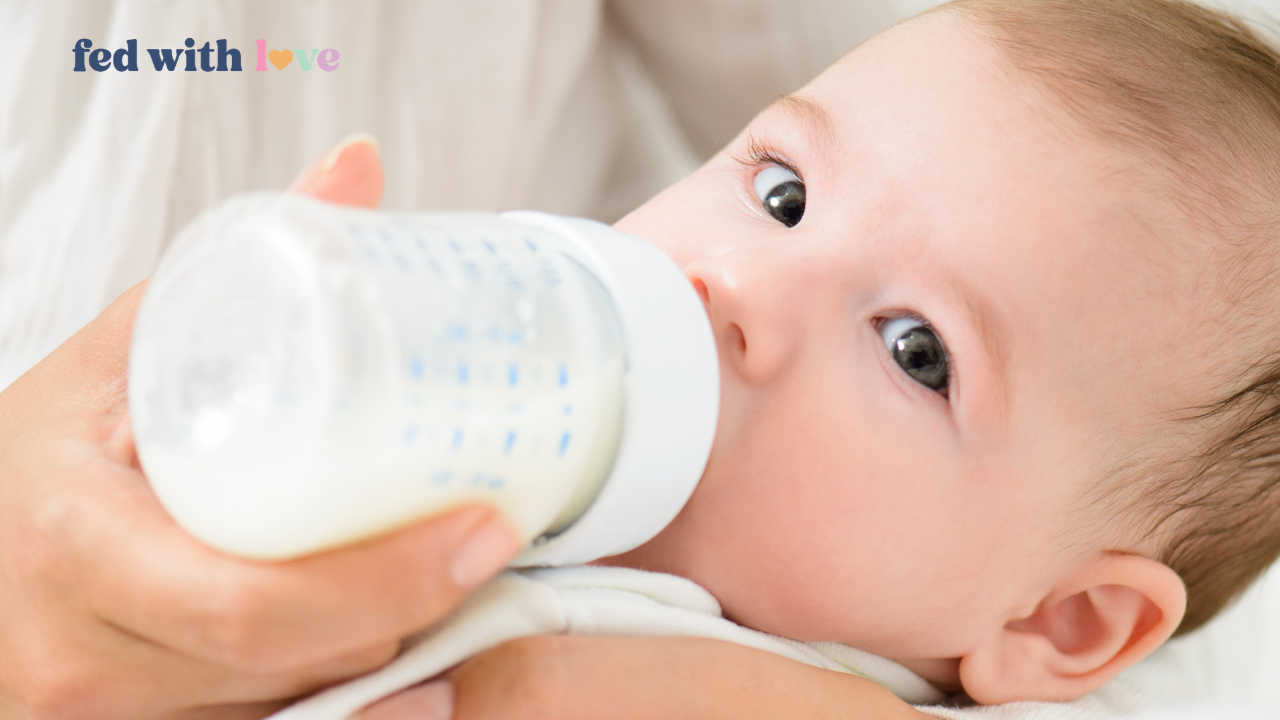
Paced bottle feeding is a method of bottle feeding that allows your baby to control the speed and amount of milk they drink, rather than having milk flow continuously from the bottle.
With traditional bottle feeding, the baby is often laying flat or slightly elevated, which causes milk to flow quickly and steadily into your baby’s mouth. This can make it difficult for babies to regulate their intake, especially in the newborn stage.
With paced bottle feeding, you:
- Hold your baby in a more upright position
- Hold the bottle more horizontally
- Allow pauses throughout the feeding
This slows the flow of milk and encourages your baby to actively suck, swallow, and breathe in a more coordinated way.
If you’re wondering “what is paced bottle feeding and why does it matter?”
It helps turn bottle feeding into a more responsive, baby-led feeding experience, rather than a caregiver-led one.
Why Paced Bottle Feeding Matters
Paced feeding IS so important. I have seen the benefits with many of the babies I work with. Here are some of the benefits:
Helps prevent overfeeding in bottle-fed babies
One of the biggest benefits of paced bottle feeding is that it helps prevent overfeeding.
Bottle feeding, especially with faster-flow nipples, can make it very easy for babies to take in more milk than they actually need. Unlike breastfeeding, where babies naturally control the flow, bottles can deliver milk quickly with very little effort.
This can lead to:
- Frequent spit-up
- Gassiness
- Fussiness after feeds
- Shorter time between feeds because baby feels uncomfortable, not hungry
Parents sometimes interpret these signs as hunger and offer more milk, which can create a cycle of overfeeding.
Slowing the feeding down gives your baby time to recognize fullness cues, which is a key part of healthy feeding patterns.
Supports better digestion and reduces discomfort
When babies drink too quickly, they are more likely to:
- Swallow excess air
- Struggle to coordinate sucking and breathing
- Experience increased reflux symptoms
Paced bottle feeding allows for natural pauses, which improves coordination and can lead to:
- Less spit-up
- Less gas
- A more comfortable baby after feeds
For many families, this is one of the first changes that leads to noticeable improvement.
Supports combo feeding and protects milk supply
If you are combining breastfeeding and bottle feeding, paced bottle feeding becomes especially important.
Babies tend to prefer the feeding method that is easier and faster. If bottle feeding is significantly quicker than breastfeeding, babies may begin to:
- Prefer the bottle
- Become frustrated at the breast
- Spend less time breastfeeding
Over time, this can impact milk supply due to reduced stimulation.
Paced feeding helps make bottle feeding feel more similar to breastfeeding, which can:
- Reduce bottle preference
- Support longer breastfeeding sessions
- Help maintain milk supply
If you are working on maintaining supply while combo feeding, this is one of the most impactful changes you can make.
Want to learn how to protect your milk supply while combo-feeding? Click here to learn more…
Encourages responsive feeding habits
Paced bottle feeding shifts the focus away from ounces and toward your baby’s cues.
Instead of encouraging your baby to finish a bottle, you are watching for:
- Hunger cues at the start
- Engagement during feeding
- Fullness cues toward the end
This approach supports long-term healthy feeding habits and helps parents feel more confident in understanding their baby.

How to Do Paced Bottle Feeding (Step-by-Step)
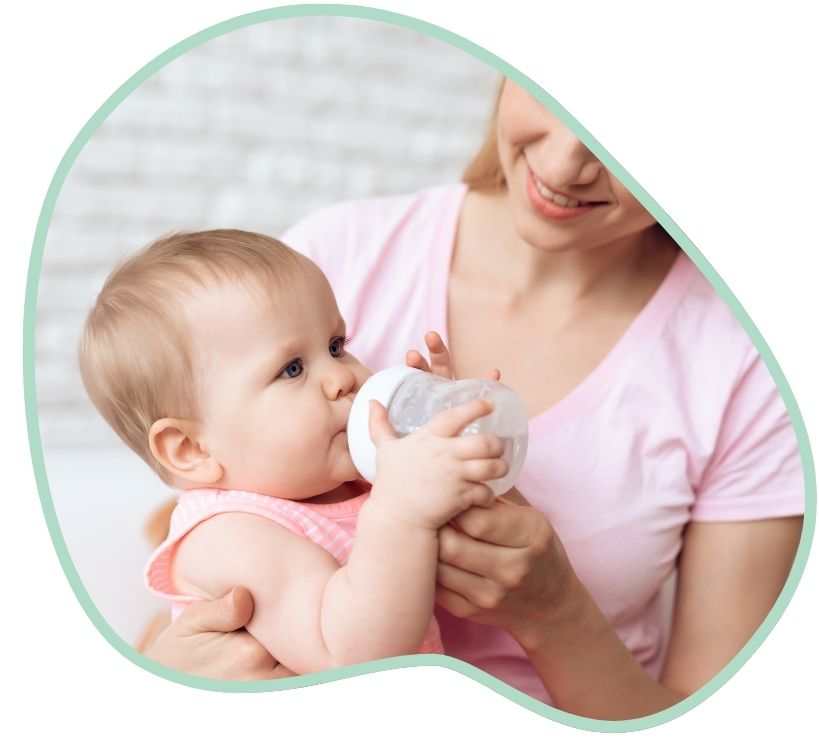
Start by holding your baby in a semi-upright position. Your baby should not be lying flat on their back. A more upright position helps slow milk flow and gives your baby more control.
Hold the bottle horizontally so that milk fills just the nipple rather than the entire bottle. This prevents milk from flowing too quickly and encourages active sucking. The hole in the bottle nipple tip should be covered with milk.
Gently touch the bottle nipple to your baby’s lips and wait for them to open their mouth wide and latch. Babies have a suck reflex that is triggered when the bottle nipple touches the roof of the mouth.
Allow your baby to begin sucking actively. You should see a rhythm of suck, swallow, and breathe.
After about 10-20ish seconds, tip the bottle downward slightly to pause the flow of milk. This gives your baby a break and mimics the natural pauses that happen during breastfeeding.
While breastfeeding, newborns often suck in bursts of 8-10 sucks and swallows with a short pause. You want to mimic your baby’s natural pattern as much as possible, even while bottle feeding.
Watch your baby closely during these pauses. Signs they may need a break include:
- Slower sucking
- Milk pooling in the mouth
- Periods where they pause and look around
Continue this pattern throughout the feeding.
About halfway through, consider switching sides to support development and prevent side preference if you are breastfeeding.
At the end of the feeding, focus on your baby’s cues rather than the amount left in the bottle. If your baby turns away, slows down significantly, or falls asleep, it’s okay to stop, even if there is milk remaining. This is called responsive feeding.

Paced Bottle Feeding for Newborns
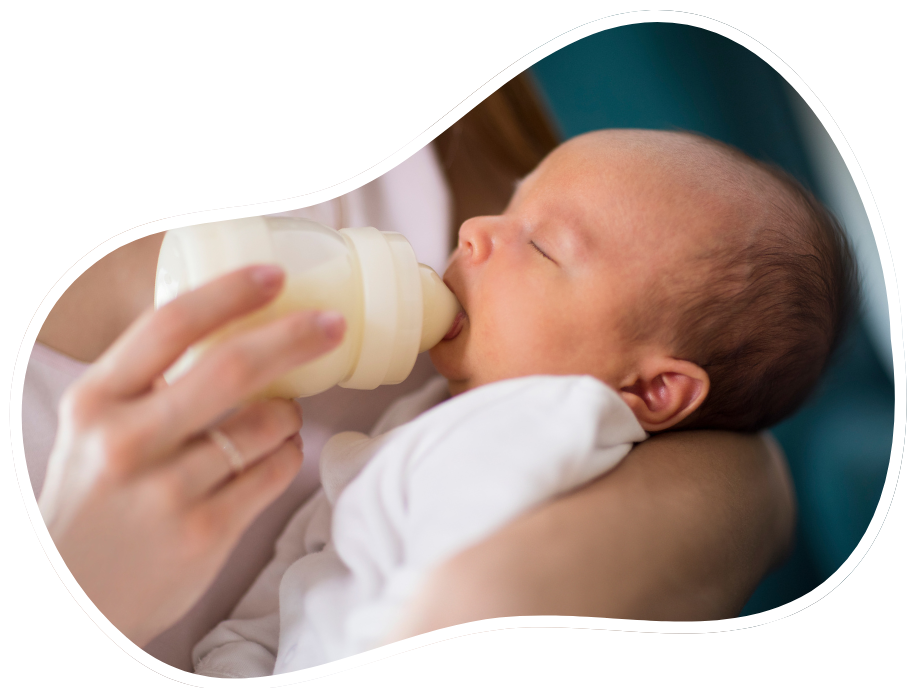
Paced bottle feeding is especially helpful for newborns, who are still learning how to coordinate sucking, swallowing, and breathing.
In the newborn stage, babies are more vulnerable to:
- Fast milk flow
- Overfeeding
- Increased spit-up
Using paced bottle feeding for newborns can help establish a more comfortable and controlled feeding pattern from the beginning.
If you’re learning how to bottle feed a newborn, focusing on pacing early on can make a big difference in your baby’s comfort.
Is Paced Bottle Feeding Necessary for Formula-Fed Babies?
This is one of the most common questions parents ask.
The short answer is: possibly. It is not strictly necessary, but it is often very helpful.
Paced bottle feeding for formula-fed babies can:
- Reduce the risk of overfeeding
- Improve digestion
- Help you and baby understand fullness cues
Many formula-fed babies do well without strict pacing, especially as they get older and more efficient at feeding.
However, if your baby:
- Drinks very quickly
- Seems uncomfortable after feeds
- Has frequent spit-up
- Always seems hungry
…it is absolutely worth trying paced feeding.
Paced bottle feeding is the first time we can practice responsive feeding, which is a critical lifelong skill for babies, kids and adults.
Paced Bottle Feeding vs Regular Bottle Feeding
Understanding the difference between paced bottle feeding vs regular bottle feeding can help you decide what works best for your baby.
With regular bottle feeding, the bottle is typically held upright, milk flows continuously, and the caregiver may encourage the baby to finish the bottle.
With paced bottle feeding, the bottle is held more horizontally, pauses are built into the feeding, and the baby’s cues determine when the feeding ends.
Feeding doesn’t have to look a certain way every single time. It will change as the baby gets older.
What works for one family may be different than another. Lean into the feeding method that is working best for you and your baby.
Common Mistakes with Paced Bottle Feeding
Even with the best intentions, there are a few common mistakes that I see with paced feeding.
Holding the bottle too upright is one of the most common issues. This increases milk flow and can make the feeding too fast.
Skipping pauses can also reduce the benefits of paced feeding. Those short breaks are what allow your baby to regulate intake.
Using a nipple flow that is too fast can override your efforts. If your baby is gulping, coughing, or leaking milk, consider trying a slower flow nipple.
Focusing too heavily on finishing a certain amount in the bottle can also interfere with responsive feeding. Babies do not need to take the same amount at every feeding. It is very normal for a baby to eat different amounts throughout the day, just like we do.

When You Don’t Need to Pace Bottle Feed
Paced bottle feeding is a helpful tool, but it does not need to be used rigidly for every baby or every feeding.
If your baby:
- Feeds comfortably
- Has minimal spit-up
- Shows clear hunger and fullness cues
- Naturally takes breaks
you may not need to focus heavily on pacing.
As babies get older, they often become more efficient and better able to regulate their intake on their own. Sometimes trying to pace them will result in frustration.
Babies may become crocodiles or acrobats while feeding. In my opinion, do whatever you need to do to get them to take the bottle once this happens. Paced feeding is no longer the priority.

Can Paced Bottle Feeding Help with Reflux or Gas?
Paced bottle feeding can help reduce symptoms associated with reflux and gas by:
- Slowing milk intake
- Reducing air swallowing
- Improving feeding coordination
However, it is not a treatment for true reflux or medical conditions like GERD.
If your baby has significant symptoms, it’s important to talk with your pediatric provider.
How Long Should a Bottle Feeding Take?
Many parents wonder how long a bottle feeding should take.
In general I like it to take around 5-10 minutes (5-7.5 minutes is the sweet spot) per ounce in the bottle when they are newborns. If your baby is finishing a bottle in under 5 to 10 minutes, the flow may be too fast.
“Slamming” a bottle is not necessarily a good thing, especially in young babies who are not coordinated.
If feeds are taking significantly longer than 30-35 minutes, your baby may be tiring out, the flow might be too slow, or they might be struggling with coordination.
How Paced Feeding Fits Into a Feeding Schedule
Paced bottle feeding works alongside your baby’s feeding schedule.
Whether you are pace bottle feeding your newborn or your older baby, the goal is still to respond to your baby’s cues within that structure.
Pacing ensures that each individual feeding is comfortable and appropriate.
Paced bottle feeding is one of the most effective ways to support your baby’s feeding experience whether you are breastfeeding, formula feeding, or doing both.
Most importantly, it shifts the focus away from rules and toward understanding your baby. Sometimes this is hard, but the more you practice, the easier it gets!
Paced Bottle Feeding by Age
One of the most common questions parents have is whether paced bottle feeding is something they need to do long-term, or just in the newborn stage.
The reality is that how you approach bottle feeding can evolve as your baby grows.
Newborns (0-3 months)
Paced bottle feeding is most helpful during the newborn stage.
At this age, babies are still learning how to coordinate sucking, swallowing, and breathing. They are also more likely to:
- Drink too quickly
- Take in excess air
- Struggle with fast milk flow
Using paced bottle feeding for newborns helps:
- Slow the feeding down
- Improve coordination
- Reduce spit-up and discomfort
- Prevent overfeeding
If you’re learning how to bottle feed a newborn, this is the stage where pacing makes the biggest difference.
Most newborns benefit from:
- A slower flow nipple
- Frequent pauses
- More upright positioning
This sets a strong foundation for feeding going forward.
3-6 Months
Between 3 and 6 months, babies typically become more efficient at feeding.
They:
- Have stronger sucking patterns
- Can handle milk flow more easily
- May finish feeds more quickly
At this stage, you may not need to pace as intentionally during every feeding.
However, paced bottle feeding is still helpful if your baby:
- Drinks very quickly
- Seems uncomfortable after feeds
- Has frequent spit-up
- Acts hungry shortly after finishing a bottle
You can think of this phase as more flexible. You may naturally pause less often, but still use pacing techniques when needed.
6+ Months
Once your baby is 6 months or older and starting solids, feeding really begins to shift (especially when your baby starts to alligator roll during feeds).
Milk is still the primary source of nutrition, but babies:
- Become more aware of their environment
- May get distracted during feeds
- Start balancing milk and solids
At this stage, strict paced bottle feeding is usually not necessary for every baby.
However, it can still be helpful if:
- Your baby tends to chug bottles
- You are trying to avoid overfeeding
Some babies naturally regulate their intake well by this age, while others still benefit from a slower, more controlled feeding pace.
Signs Your Baby Is Drinking Too Fast From a Bottle
Not every baby needs paced bottle feeding, but many babies show clear signs that the flow of milk is too fast.
If you’ve ever wondered whether your baby is drinking too quickly, here are some common signs to watch for.
- One of the biggest indicators is gulping during feeds. If your baby is making loud swallowing sounds or seems like they are trying to keep up with the flow, the bottle may be delivering milk too quickly.
- You may also notice coughing or choking during feeds. This can happen when babies are unable to coordinate sucking and swallowing with a fast flow.
- Milk leaking from the sides of the mouth is another common sign. This often means your baby is taking in more milk than they can comfortably manage at once.
- Some babies will finish a bottle very quickly, sometimes in under 5 to 10 minutes, and then still seem unsettled afterward. This can be confusing, because it may look like hunger, when in reality it’s often discomfort from feeding too fast. I can’t tell you how many parents, with pride, share that their baby “slams” a bottle.
Other signs include:
- Increased spit-up after feeds
- Gassiness or fussiness
- Arching or pulling away from the bottle
- Wanting to eat again shortly after finishing
These symptoms are often mistaken for reflux, intolerance, or not getting enough milk.
In many cases, slowing the feeding down with paced bottle feeding can make a noticeable difference.
If your baby is showing several of these signs, it’s worth adjusting your feeding technique before assuming something more complex is going on.
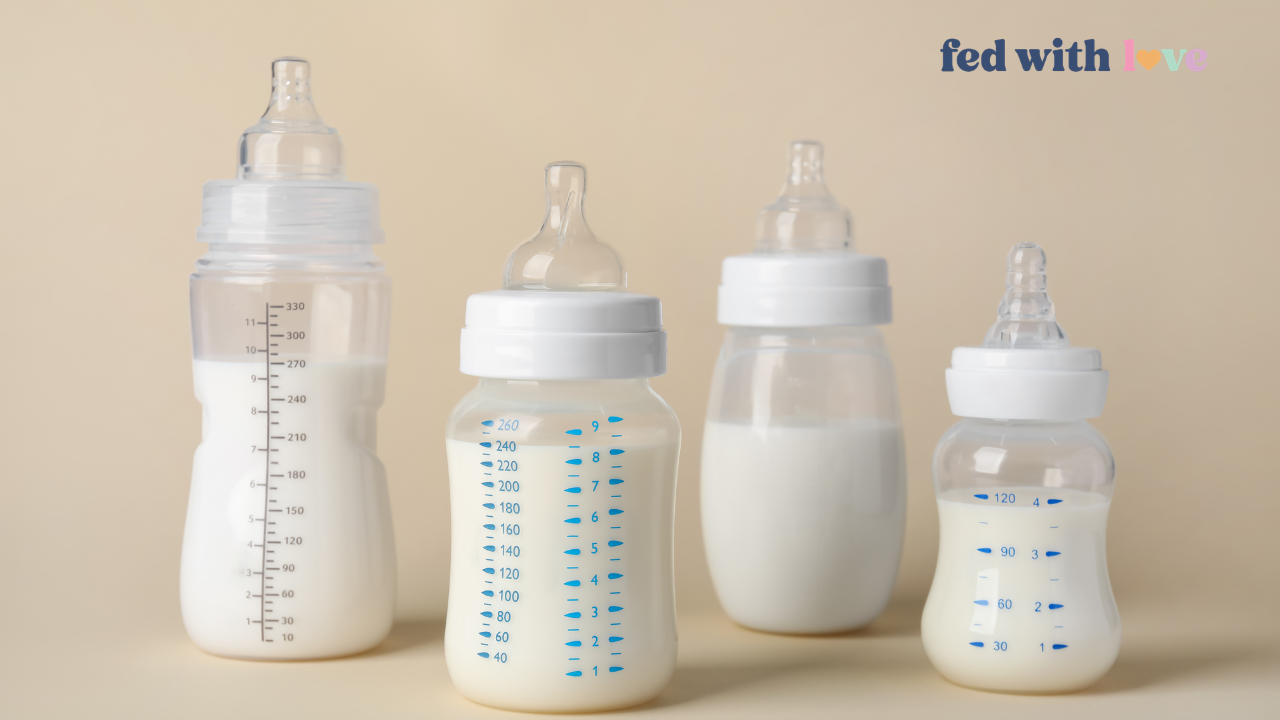
Best Bottles and Nipples for Paced Bottle Feeding
A common question I hear is: “What is the best bottle for paced bottle feeding?”
The answer is usually not what parents expect.
The most important factor is not the brand of bottle, but it’s how the bottle is used.
That said, there are a few things to consider when choosing a bottle and nipple to support paced feeding.
Focus on Nipple Flow First
If you are trying to implement paced bottle feeding, nipple flow matters more than anything else.
A slower flow nipple allows your baby to:
- Actively suck to draw out milk
- Better control intake
- Feed at a more comfortable pace
If your baby is:
- gulping
- coughing
- leaking milk
- finishing bottles very quickly
…it may be a sign that the nipple flow is too fast.
In many cases, switching to a slower flow nipple is one of the simplest and most effective changes you can make.
Remember, the flow rate on the packaging does not mean much. Sometimes slow flow nipples are actually very fast.
Bottle Shape Matters Less Than You Think
There are many bottles marketed as “best for breastfed babies” or “best for paced feeding.”
While some babies do have preferences, most can do well with a variety of bottle shapes.
What matters more is:
- Positioning (upright vs lying flat)
- Bottle angle (horizontal vs vertical)
- Feeding technique (paced vs continuous flow)
A standard bottle used correctly can support paced feeding just as well as a specialty bottle.
A Note on “Anti-Colic” Bottles
Some bottles are designed to reduce air intake and gas.
These can be helpful for some babies, but they do not replace paced bottle feeding.
Even with an anti-colic bottle, if milk is flowing too quickly, your baby may still:
- Drink too fast
- Swallow excess air
- Experience discomfort
If you’re feeling overwhelmed by all the bottle options, download my free bottle guide here
How to Know If Paced Bottle Feeding Is Working
Once you start paced bottle feeding, it’s completely normal to wonder if you’re doing it “right” or if it’s actually making a difference.
Small changes in how you feed your baby can lead to noticeable improvements.
Here are the signs that paced bottle feeding is working.
Your Baby Feeds More Calmly
One of the first things parents notice is that feeding feels less stressful.
Instead of:
- gulping
- coughing
- pulling away
…your baby may appear more relaxed and coordinated during feeds.
You might see a smoother rhythm of:
- suck
- swallow
- breathe
This is a strong sign that the milk flow is more manageable.
Feeding Takes a More Appropriate Amount of Time
A typical bottle feeding should take between 5-10 minutes per ounce (I prefer around the 7.5 minute mark for newborns).
If your baby was previously finishing bottles in just a few minutes, paced feeding can help slow things down to a more appropriate pace.
This gives your baby time to:
- recognize fullness
- digest more comfortably
- avoid taking in too much too quickly
If you’ve been wondering how long it should take to bottle feed a newborn, this is one of the clearest indicators you’re on the right track.
Less Spit-Up and Gas
While some spit-up is completely normal, frequent or large amounts of spit-up can sometimes be linked to fast feeding.
As you slow the pace, you may notice:
- less spit-up after feeds
- less gassiness
- a more comfortable baby overall
This happens because your baby is:
- swallowing less air
- not overfilling their stomach as quickly
Your Baby Seems More Satisfied After Feeds
A baby who is feeding at a more appropriate pace is more likely to feel satisfied after eating.
Instead of:
- acting hungry immediately after a full bottle
- becoming fussy shortly after feeds
…your baby may seem content for longer stretches.
This is one of the biggest clues that your baby is getting the right amount of milk for their needs.
You Feel Less Pressure to Finish the Bottle
Paced bottle feeding helps shift the focus away from:
“How many ounces did they take?”
…and toward:
“Is my baby showing signs they’re done?”
As you get more comfortable watching your baby’s cues, you may find that you:
- stop worrying about exact amounts
- feel more confident ending a feed when your baby is done
- trust your baby’s intake more
That confidence is a huge part of successful feeding.
Feeding Feels More Predictable
Over time, paced feeding can lead to more consistent patterns.
Your baby may:
- space feeds more naturally
- show clearer hunger cues
- have fewer episodes of discomfort after eating
While every baby is different, many parents find that feeding feels more predictable once they slow things down.
If you’re feeling unsure about how much your baby should be eating, struggling with bottle feeding, or navigating the transition between breastmilk, formula, and solids, you’re not alone.
I help families create clear, realistic feeding plans that take the guesswork out of feeding, so you can feel confident in your baby’s growth and your decisions.
free guide
The FREE Printable 150 First Foods Guide
We hate SPAM. We will never sell your information, for any reason.