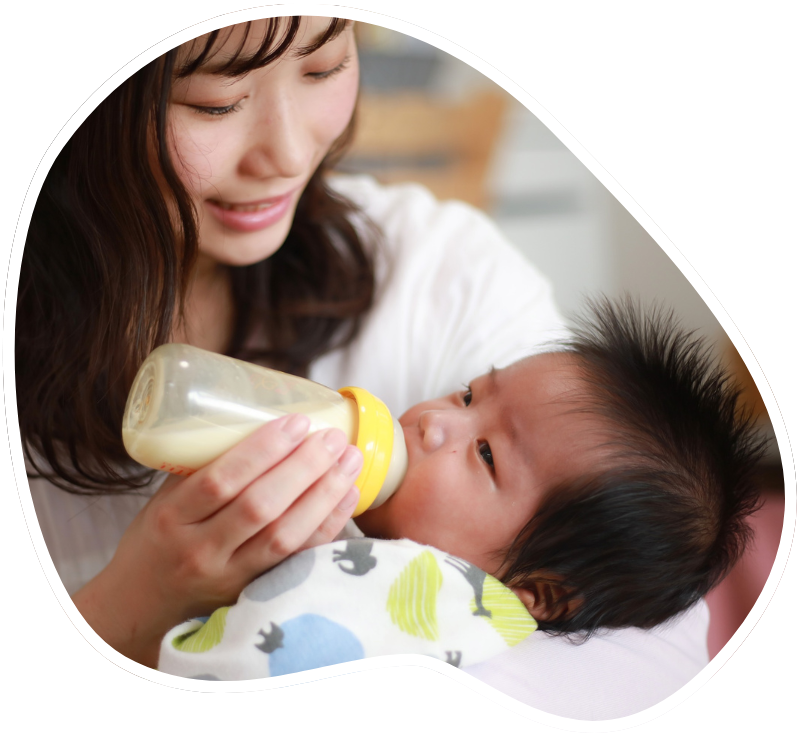
Bottle Nipple Sizes Explained: How to Choose the Right Flow, When to Size Up, and Signs the Flow Is Too Fast
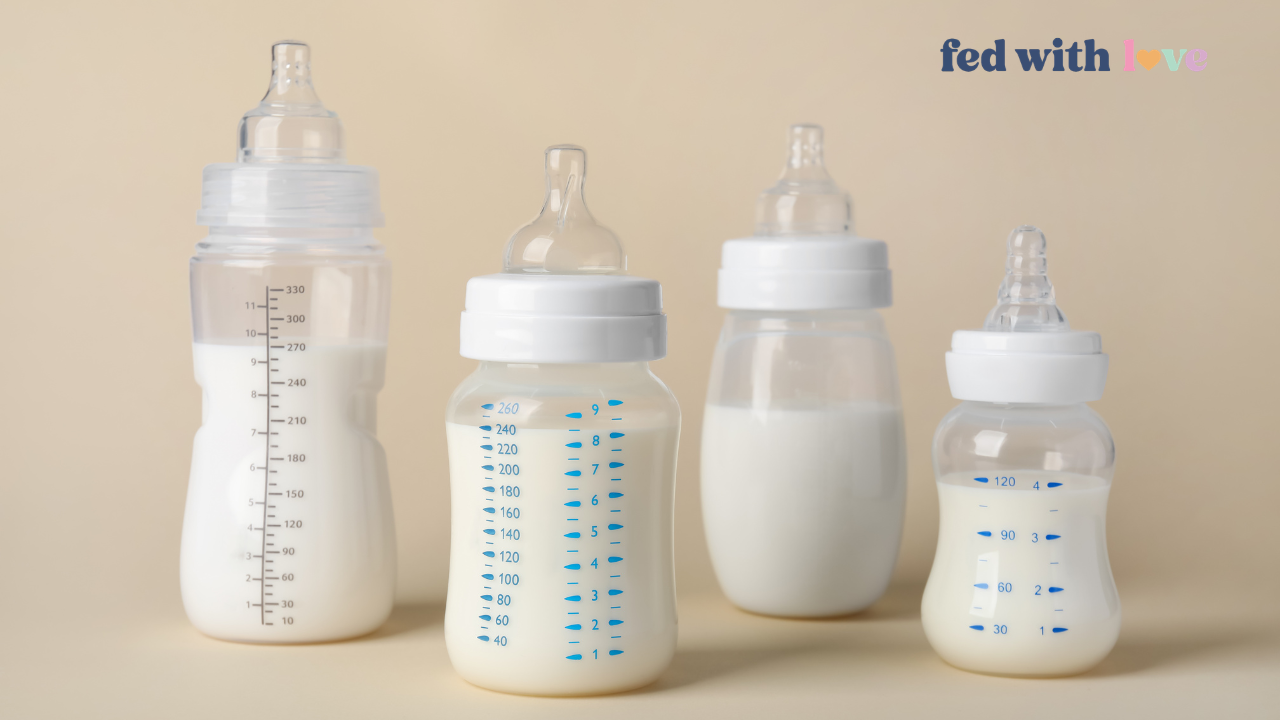
Bottle companies do not make finding the right nipple flow easy!
You may see bottle nipple sizes labeled: slow flow, Level 1, Level 2, medium flow, natural response, variable flow, or preemie, and you may have wondered:
Which bottle nipple size does my baby actually need?
Choosing the right bottle nipple size is something I discuss with every family, especially during the newborn stage when everything about feeding feels challenging.
The confusing part is that bottle nipple sizes are often labeled by age, but the age and flow don’t always match up to what your baby actually needs.
Babies develop feeding skills at different rates, and the best nipple flow depends on how your baby is managing the bottle, not whether they are two weeks old, three months old, or six months old.
Some babies stay on a slow-flow nipple until they start drinking from cups.
Other babies become frustrated because the nipple flow is too slow and need to move up sooner.
The goal is not to find the "fastest" nipple your baby can handle. The goal is to find a nipple flow that allows your baby to feed comfortably, efficiently, and safely.
In this guide, I’ll explain:
- How bottle nipple sizes work
- How to choose the right nipple size for a newborn bottle
- Bottle nipple sizes by age
- Signs your baby may need a faster flow nipple
- Signs the nipple flow is too fast
- How nipple flow differs between bottle brands
- The best nipple flow considerations for breastfed babies and premature babies
As a pediatric nurse practitioner and lactation counselor, my biggest advice is this:
Always go by how your baby is doing, not by packaging or what comes with the bottle.
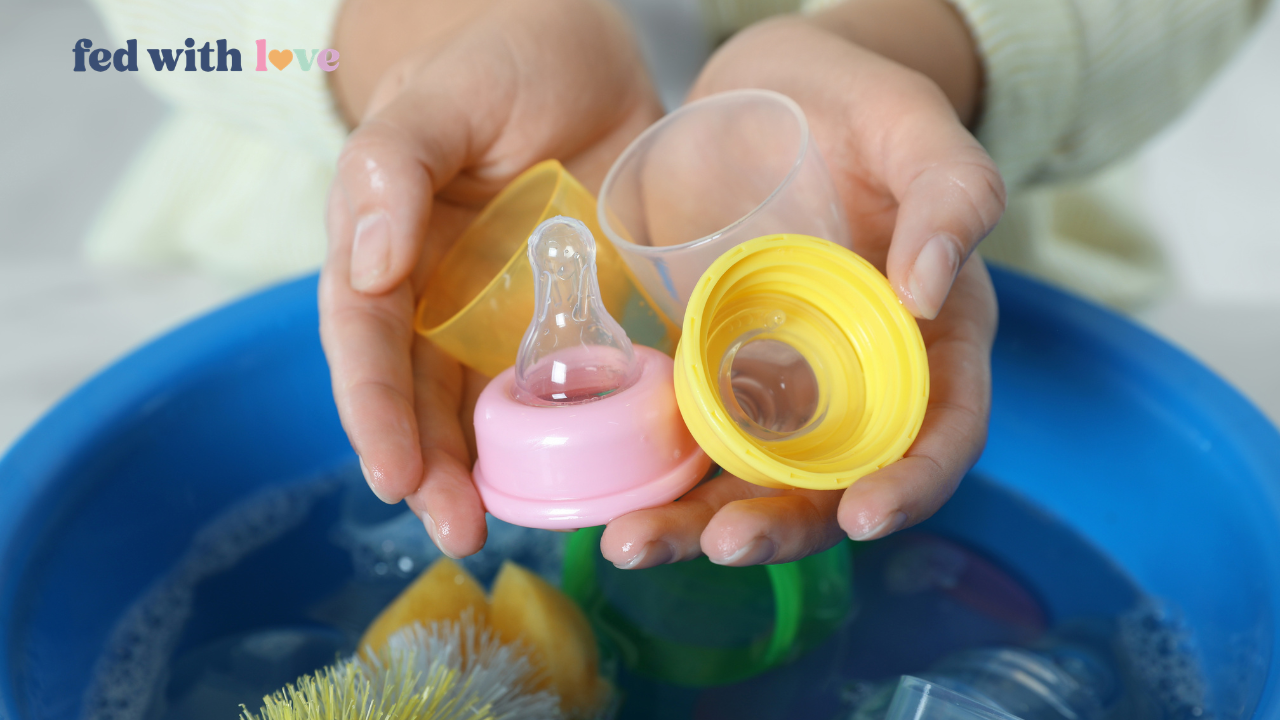
What Are Bottle Nipple Sizes?
Bottle nipples are designed to control the rate that milk flows from the bottle into your baby's mouth. Unlike breastfeeding, where babies can regulate milk transfer through their sucking pattern, bottle nipples provide a more consistent flow rate.
Most bottle brands offer multiple nipple sizes or flow levels, including:
- Preemie flow
- Newborn or slow flow
- Level 1
- Level 2
- Level 3
- Fast flow
- Variable flow
- Y-cut nipples
It may be confusing because while some brands follow the level 1, 2, 3 flows, others use slow, medium, and fast. Their slow flow nipples may be labeled as extra slow (XS) or super slow (SS).
In general, younger babies often start with slower-flow nipples while they are learning to coordinate:
- Sucking
- Swallowing
- Breathing
As babies mature and their feeding skills improve, some may transition to a faster nipple flow.
However, there is no universal standard for bottle nipple sizes.
Here is the hard part: a level 1 nipple from one company may not have the same flow rate as a Level 1 nipple from another company. Sometimes a flow that is labeled “slow” is actually fast for some babies.
This is why switching from one bottle brand to another can sometimes surprise parents…your baby may suddenly seem overwhelmed or frustrated even though you chose the "same" size.
>>>Looking for the right bottle for your baby? Click here for my Amazon list or here to get my pros & cons guide <<<
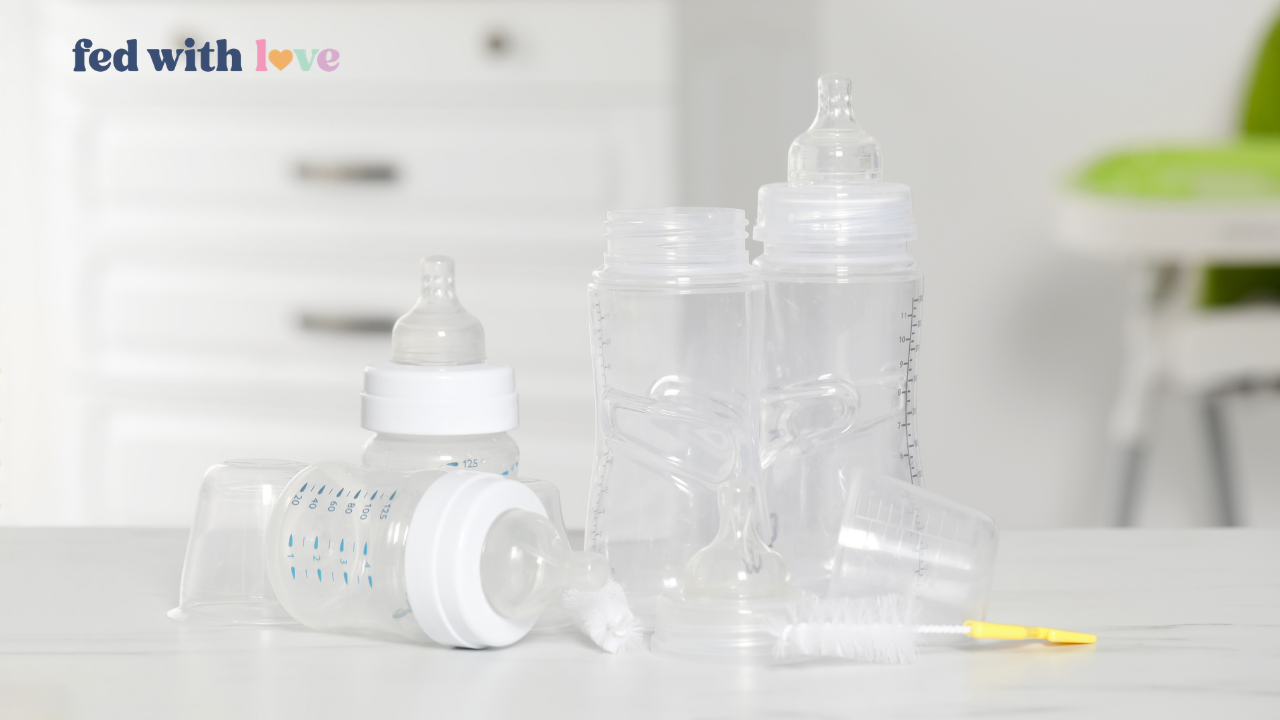
Bottle Nipple Size Chart: What Size Does My Baby Need?
Many parents search for a bottle nipple size chart because they want a simple answer. While age ranges can be helpful, they should be viewed as a general guide rather than a strict rule.
|
Baby's Age |
Common Nipple Starting Point |
What to Consider |
|
Premature babies |
Preemie or ultra-slow flow nipple |
May need individualized guidance based on feeding skills |
|
Newborn-3 months |
Slow flow or Level 1 |
Most newborns begin here |
|
3-6 months |
Level 1-2 or from slow to fast (varies widely) |
Look for signs baby is ready, not just age |
|
6+ months |
Anywhere from slow to fast |
Many babies do not need the fastest nipple |
Important: Some babies may stay on the same nipple size for their entire first year, while others move through multiple sizes.
There is no prize for moving up faster. “Slamming” a bottle is not something families should strive for.
A nipple that is too fast can make feeding more difficult, especially for younger babies who are still learning coordination.
How to Choose the Right Bottle Nipple Size for a Newborn
When choosing a newborn bottle nipple, many parents assume they should start with the smallest or slowest option available. While this is often a good place to begin, there are a few things to consider.
1. Is your baby breastfed, formula-fed, or combination-fed?
Babies who breastfeed often benefit from a slower-flow nipple because it allows them to maintain a more controlled pace similar to breastfeeding.
This does not mean a breastfed baby can never use a faster nipple. Some breastfed babies eventually need a higher flow rate if bottles are taking a long time or they become frustrated.
When a mom has a very fast letdown or baby is an efficient nurser, they may become frustrated with very slow flow bottles.
For many breastfed babies, I recommend focusing less on "sizing up" and more on supporting paced bottle feeding. <<< Learn more about paced bottle feeding here >>>
2. Was your baby premature?
Premature babies may need a slower nipple flow because coordinating sucking, swallowing, and breathing can take additional time.
A nipple designed specifically for premature babies may allow them to feed more comfortably without becoming overwhelmed.
If your baby was born prematurely or has feeding difficulties, your pediatrician or feeding therapist can help determine the best nipple flow.
I find that many preemies do well on the Dr. Brown’s preemie, which seems to be a favorite in the NICU.
3. How does your baby feed with each nipple?
The most important question is:
Does your baby look comfortable while feeding?
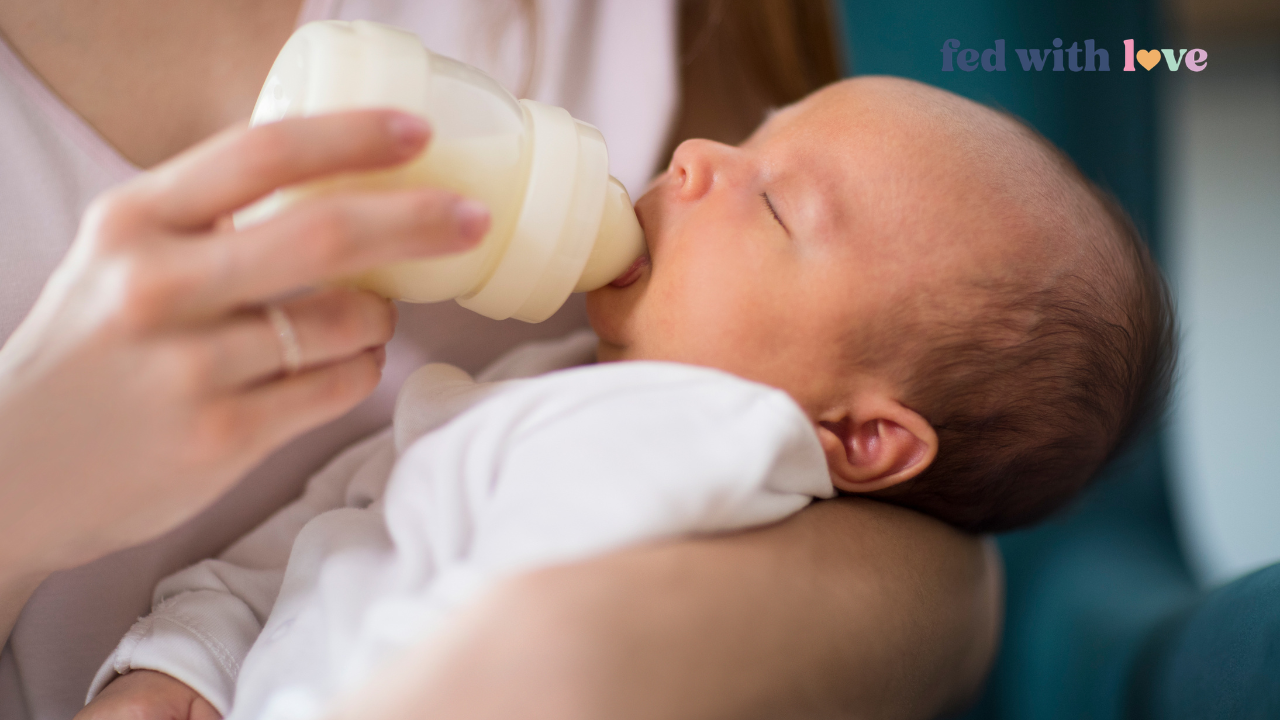
A good nipple flow usually allows your baby to:
- Maintain a steady sucking rhythm
- Pause naturally without milk pouring from the corners of the mouth
- Swallow comfortably
- Finish a feeding without excessive frustration or fatigue
Signs Your Baby May Need a Faster Flow Bottle Nipple
One of the most common questions parents ask is:
"How do I know when to size up my baby's bottle nipple?"
The answer is usually not based on age. Instead, look for patterns in how your baby feeds.
If the bottle nipple flow is too slow, your baby may have to work harder than necessary to get milk. This can make feeding frustrating or exhausting.
Common signs your baby may need a faster flow nipple include:
1. Feedings consistently take a very long time
Many babies can finish a bottle comfortably within about 10-20 minutes, although there is some variation.
For breastfed newborns, I like bottles to take a similar amount of time as a breastfeeding session, or roughly 5-10 minutes per ounce.
If your baby regularly takes 30-45 minutes to finish a bottle and seems tired or frustrated, the nipple flow may be too slow.
That said, a longer feeding time alone does not always mean it is time to size up. Some babies are simply more relaxed eaters, especially breastfed babies who are used to a slower pace.
2. Your baby seems frustrated during feeds
A baby who is ready for a faster flow may:
- Pull on and off the bottle repeatedly
- Become fussy during feeding
- Cry while trying to eat
- Seem hungry but unable to finish the bottle
- Suck very aggressively without much milk transfer
3. Your baby is collapsing the nipple
If the bottle nipple is repeatedly collapsing inward during feeds, it may mean your baby is creating more suction than the nipple can accommodate.
First, check that the bottle vent is assembled correctly (if applicable). If the issue continues, it may be a sign that your baby needs a different nipple flow.
4. Your baby falls asleep before finishing bottles
Some newborns naturally fall asleep while feeding. However, if your baby consistently seems exhausted from working so hard to get milk or if they are actively sucking, but not getting much milk, the flow may not be meeting their needs.
Signs the Bottle Nipple Flow Is Too Fast
Many parents assume that moving up a nipple size is always helpful, but a flow that is too fast can create its own challenges.
A baby needs time to coordinate sucking, swallowing, and breathing. If milk is flowing faster than they can manage, feeding may become stressful.
Signs your baby's bottle nipple flow may be too fast include:
- Coughing during feeds
- Choking or sputtering
- Gulping frequently
- Milk leaking from the corners of the mouth
- Pulling away from the bottle
- Wide eyes or a startled look while feeding
- Increased spit-up after bottles
- Increased fussiness during or after feeds
- Clicking sounds while drinking
A fast nipple flow does not necessarily cause reflux or spit-up in every baby, but some babies may swallow more air or struggle with coordination when the flow is faster than they can comfortably handle.
If you notice these signs after increasing nipple size, it is completely okay to go back down a size.
You can also try pacing the feed a bit more and giving your baby natural pauses.
Many times, finding the right flow takes some trial and error.
It is also not uncommon for babies to prefer different flows based on the time of day or how hungry they are.
Can a Fast Bottle Nipple Flow Cause Gas or Spit-Up?
This is another common question from parents.
While nipple flow is not the only cause of gas or spit-up, the wrong flow rate can sometimes contribute.
A nipple that flows too quickly may cause babies to:
- Swallow more air
- Gulp milk quickly
- Struggle to coordinate breathing and swallowing
A nipple that flows too slowly may cause babies to suck harder, become frustrated, or take in more air from excessive sucking.
However, gas and spit-up are also influenced by many other factors, including:
- Normal digestive development
- Feeding position
- Bottle preparation
- Amount consumed
- Infant temperament
- Immature digestive systems
Changing nipple sizes may help some babies, but it is not always the solution.
What Nipple Flow Is Recommended for Breastfed Infants?
Many parents ask:
"Should breastfed babies use a slow-flow nipple?"
For many breastfed babies, a slow-flow nipple is a good starting point.
Breastfeeding does not involve milk continuously pouring into a baby's mouth. Babies learn to coordinate sucking, swallowing, and breathing while controlling milk transfer.
Babies often take the path of least resistance when it comes to feeding. If it takes more effort to get milk from the breast than the bottle, they might refuse the breast and only want the bottle.
This is why many lactation professionals recommend:
- Starting with a slow-flow nipple
- Using paced bottle feeding techniques
- Holding the bottle more horizontally rather than allowing milk to pour quickly
- Watching baby's cues rather than encouraging them to finish quickly
However, there is no single "correct" nipple size for breastfed babies.
Some breastfed babies do well with faster flows, especially if mom has a fast letdown or flow. Others stay with slow-flow nipples for the entire year.
What Nipple Size Is Best for Premature Babies?
Premature babies often have different feeding needs because feeding skills develop over time.
Many premature babies start with:
- Preemie nipples
- Ultra-slow-flow nipples
- Specialty nipples recommended by feeding specialists
The goal is not simply to get milk into your baby faster. The goal is to help your baby feed safely while building coordination.
Signs a premature baby may be struggling with nipple flow include:
- Frequent coughing
- Stress cues during feeds
- Fatigue before finishing feeds
- Changes in breathing patterns
- Difficulty maintaining a coordinated suck-swallow-breathe pattern
If your baby was born prematurely or has a history of feeding challenges, it is best to work with your healthcare team to determine the appropriate nipple flow.
Bottle Nipple Flow Rates: How Popular Brands Compare
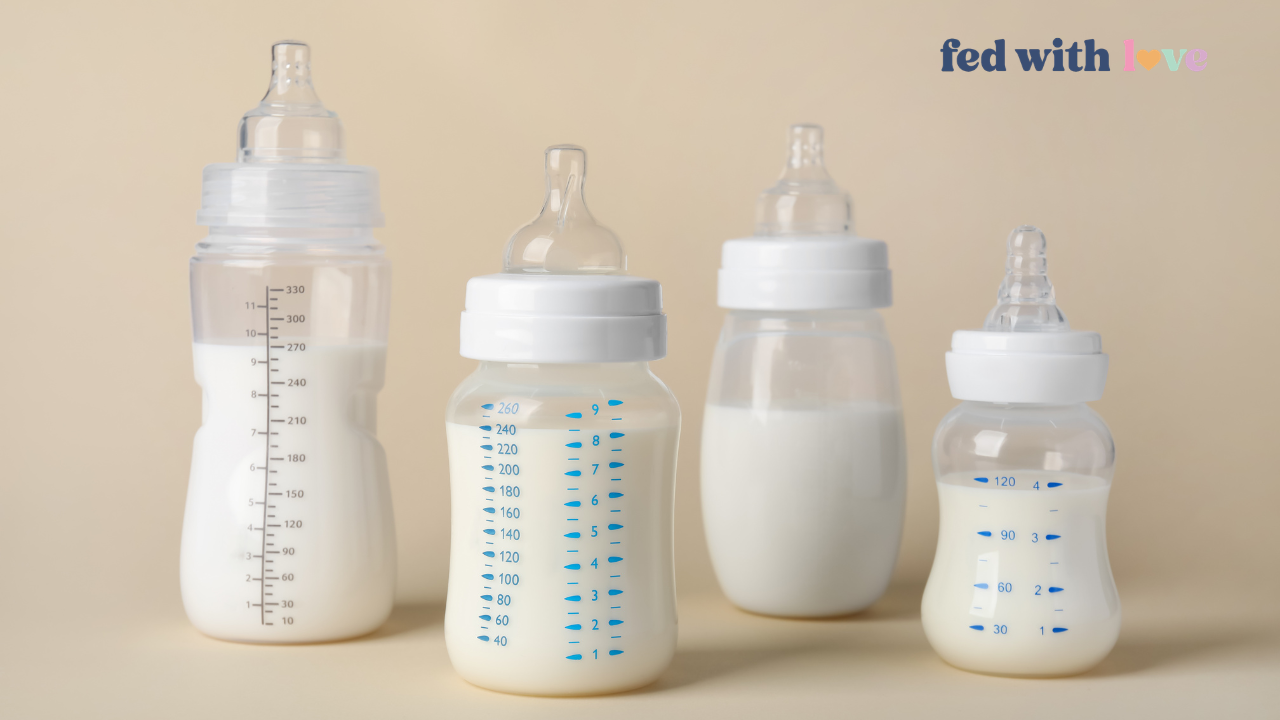
One of the reasons choosing bottle nipples feels so confusing is that every brand uses different names and systems.
Here are some popular bottle brands and how they approach nipple flow:
|
Bottle Brand |
Nipple Flow Options |
Notes |
|
Dr. Brown's |
Preemie, Transitional, Level 1, Level 2, Level 3, Level 4 |
Many parents appreciate the gradual progression. The level 1 might be too fast for newborns. Transitional or Preemie nipples may be more appropriate. |
|
Philips Avent Natural Response |
Multiple flow levels |
Designed so babies control milk release through active sucking. Most bottles come with a flow 2, which may be too slow for many newborns. Instead, try the flow 3 or 4, which is labeled as “fast” but is fairly slow. |
|
Evenflo Balance+ |
Slow, medium, fast options |
Often chosen by families looking for a slower-flow nipple. The “slow” may be too fast for newborns. |
|
Pigeon |
Multiple flow options |
Popular among breastfed babies. Newborn babies often do well with the SS flow. |
|
Lansinoh |
Slow, medium, fast options |
Wide-neck nipples available. Interchangeable with Pigeon nipples. Babies often do well with the XS nipple. |
|
Comotomo |
Slow, medium, fast options |
Soft silicone nipple design |
Remember: a higher number does not automatically mean a better nipple.
>>>Looking for the right bottle for your baby? Click here for my Amazon list or here to get my pros & cons guide <<<
Frequently Asked Questions About Bottle Nipple Sizes
What bottle nipple size should a newborn use?
Most newborns start with a slow-flow, XS, or Level 1 nipple. However, the best choice depends on your baby's feeding skills, whether they were premature, and whether they are breastfeeding, formula feeding, or combination feeding.
When should I increase my baby's bottle nipple flow?
Consider increasing nipple flow when your baby consistently shows signs that the current nipple is too slow, such as very long feeds, frustration, pulling away, or difficulty finishing bottles.
How do I know if my baby's bottle nipple is too slow?
Signs include prolonged feedings, frustration, collapsing nipples, aggressive sucking, or falling asleep before completing feeds.
Can a nipple flow that is too fast cause spit-up?
A fast nipple flow may contribute to gulping or swallowing more air, which can increase discomfort or spit-up for some babies. However, spit-up has many possible causes.
Do bottle nipple sizes differ between brands?
Yes. Bottle nipple sizes are not standardized. A Level 1 nipple from one brand may flow differently than a Level 1 nipple from another brand.
Should breastfed babies always use slow-flow nipples?
Not necessarily. Many breastfed babies do well with slow-flow nipples, but some eventually need a faster flow. Your baby's feeding behavior matters more than the label.
What is the best bottle nipple for slow flow?
The best slow-flow nipple depends on your baby's needs and the bottle system you are using. Popular options include slow-flow versions from brands like Dr. Brown's, Philips Avent, Evenflo Balance+, Pigeon, and Lansinoh.
My favorite slow-flow nipples that aren’t too slow include the:
I find the Evenflo Balance slow and Dr. Brown’s 1 to be too fast for many newborns and the Philips Avent Natural Response flow 2 to be too slow.
Choosing a bottle nipple size can feel overwhelming, but the process does not have to be complicated.
The "right" nipple is the one that allows your baby to feed comfortably.
Instead of focusing only on your baby's age or the number printed on the nipple package, pay attention to your baby's cues:
- Are they feeding comfortably?
- Are they able to coordinate sucking, swallowing, and breathing?
- Are bottles taking an appropriate amount of time?
- Do they seem relaxed and satisfied after feeding?
Your baby does not have to move up nipple sizes on a schedule.
The best bottle nipple size is the one that supports your baby's feeding journey.
About the author
Erin Moore is a Pediatric Nurse Practitioner and International Board Certified Lactation Consultant (IBCLC) with 15 years of clinical experience supporting breastfeeding and infant feeding families. Her work focuses on evidence-based guidance for bottle feeding, formula selection, and early feeding challenges.
If you need personalized support, you can learn more about virtual consultations at Fed with Love or contact: [email protected]
How this guide is supported
Some links in this article are affiliate links, meaning I may earn a small commission at no extra cost to you. I only recommend products I use clinically, trust, or regularly review with families in practice.
free guide
The FREE Printable 150 First Foods Guide
We hate SPAM. We will never sell your information, for any reason.