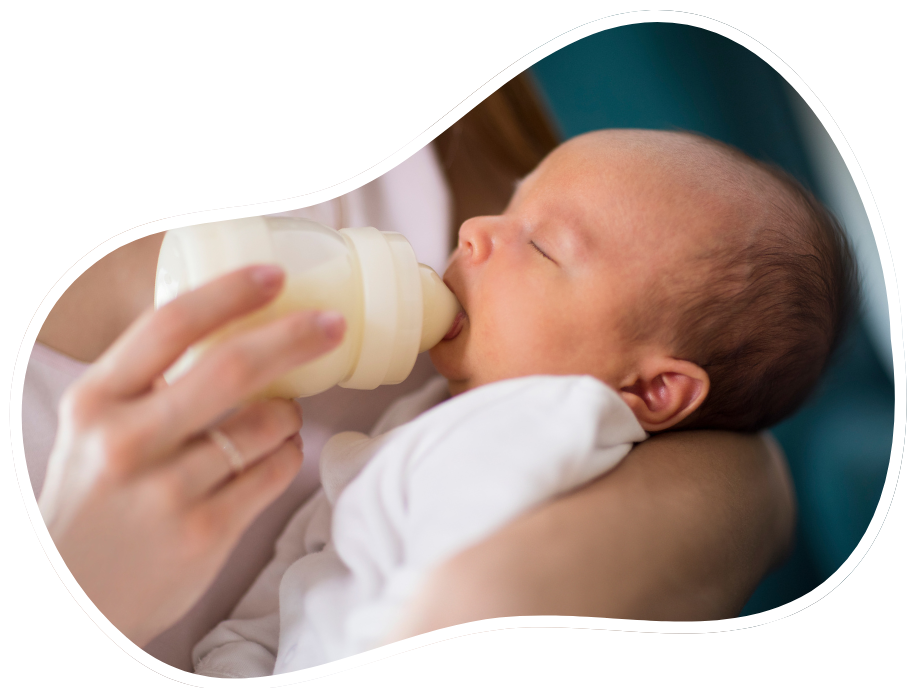
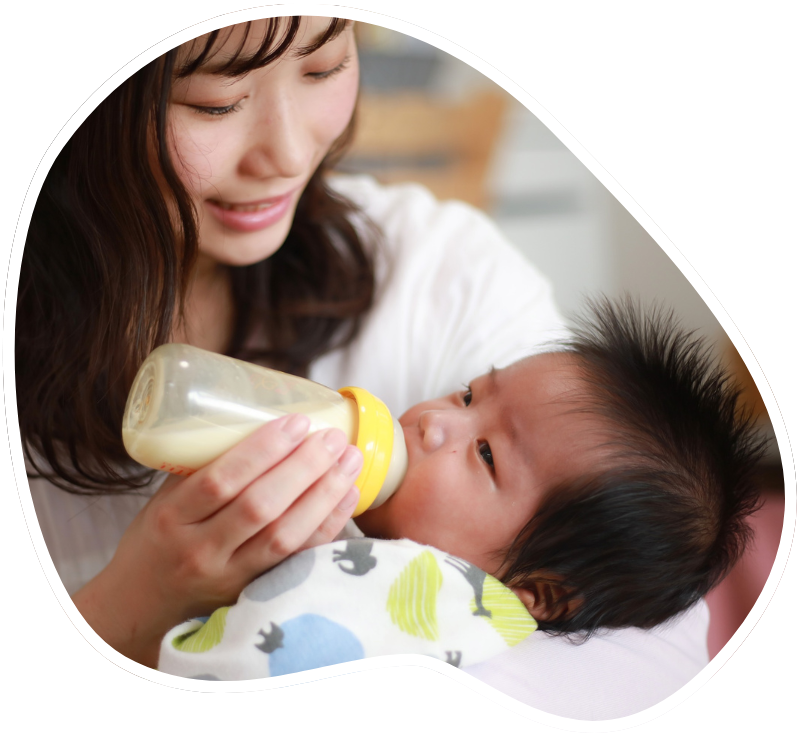
My Baby Prefers Solids Over Milk: What To Do Between 6 - 12 Months

If your baby prefers solids over milk, you’re not alone.
Many parents notice their baby showing more interest in finger foods or purees and less interested in formula or breastmilk.
This is a very common stage in infant development, but it can leave parents feeling unsure: is my baby getting enough nutrition? Should I worry about milk intake?
The good news is that this is normal and very common.
With a gentle, age-appropriate approach, you can help your baby enjoy solids while still getting the nutrition they need from milk. This guide will cover:
- Why babies prefer solids over milk
- Age-by-age feeding strategies
- Tips to maintain milk intake
- Breastfeeding when babies prefer solids
- Common challenges and solutions
- FAQ for common parent concerns
I will share evidence-based recommendations, and also share my personal experience, as well as common concerns from families in clinic when their baby prefers solids to breastmilk or formula.
By the end, you’ll have a clear plan to balance milk and solids without stress.

Why Babies Prefer Solids Over Milk
Some babies love solid foods! It is a good problem to have, though it can feel stressful at the time.
Babies naturally gravitate toward what’s new, fun, and different.
For many babies, solid foods are exciting…
They have new textures, colors, and flavors, while bottles or breastfeeding are familiar but predictable.
Here are some reasons your baby may prefer solids over milk:
- Developmental curiosity: Around 6-12 months, babies are exploring textures, tastes, and self-feeding. Solids offer new sensory experiences that milk alone cannot.
- Oral motor development: Learning to chew, swallow, and manage solids is a critical skill. Babies may favor solids as they practice.
- Appetite and timing: Solids are more filling than milk, so your baby may feel satisfied after eating small amounts of solids and skip milk.
- Behavioral preference: Some babies simply enjoy independence and want to feed themselves rather than rely on a bottle.
- Flavor variety: Some babies prefer solids vs formula or breast milk because of the varying flavors while milk stays relatively the same.
It’s important to understand that breast milk or formula is still a critical source of calories and nutrients. Babies who reduce milk intake but eat solids need careful balance to ensure growth and nutrition continue appropriately.
For babies who struggle the other way around…preferring milk over solids, here is what to do >>> Baby Refuses Solids but Drinks Milk.
Age-by-Age Feeding Guide
Every baby develops differently, but these general guidelines can help parents keep milk intake sufficient while encouraging solids.

6-7 Months: Introducing solids without replacing milk
At this stage, milk is still the primary source of nutrition, and solids are meant to be exploratory.
Feeding Tips:
- Offer solids 1-2 times per day in small portions. Your baby does not need to eat all 3-4 ounces that are in the pouch. Babies receiving finger foods do not need to eat adult portions.
- Start with iron-rich foods, purees, or foods that can be easily mashed between the tongue and the roof of the mouth
- For breastfed babies: slowly integrate solid foods, especially if your baby has a big appetite. It is not uncommon to have a dip in milk supply when babies fill up too much on solids.
- For formula fed babies: Milk should remain between 24 - 32 oz/day.
Wondering how much your baby should be drinking? Click here to calculate the amount.
Strategies:
- Keep mealtimes short and calm.
- Avoid pressure and let your baby explore texture and flavors.
- Offer small amounts of food and give more as needed. I think of it this way…each ounce of formula is 20 calories and breast milk averages to around 20 calories per ounce. A pouch is usually the equivalent of 3 to 5 ounces of formula or breast milk. Some babies may eat a lot of calories and may not be hungry for milk.
- Remember, you do not have to feed your baby the same amount or times per day every day. It can be flexible and it is okay if you miss a day or two of solids.
- Start introducing cups with water in small amounts, though babies likely won’t drink much.

8-9 Months: Exploring self feeding while prioritizing milk
Babies are better able to feed themselves and handle mixed textures. Milk intake may naturally decline slightly, but it should still be the primary source of nutrition.
Feeding Tips:
- Offer 2-3 meals/day, gradually increasing solids.
- Start to introduce more textured purees if you haven’t already. Finger foods with different textures are a great addition!
- Encourage self-feeding with supervision.
- Maintain milk intake around 24-32 oz/day. Babies getting breast milk may eat slightly less.
Strategies:
- Try offering solids later in the wake window, roughly 30-60 minutes after a bottle or breastfeeding session.
- Rotate flavors and textures to build interest.
- Use positive reinforcement without pressure.
- Continue offering cups with water, breast milk or formula.
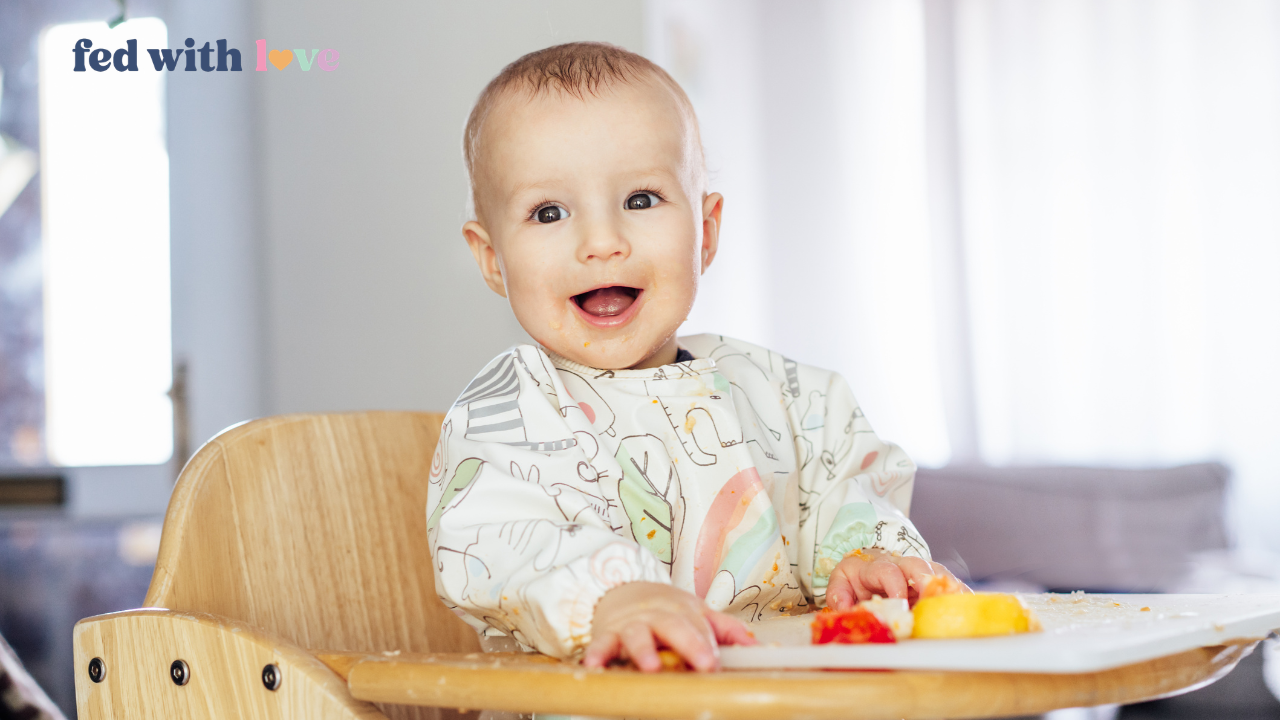
10-12 Months: Balancing milk and solids
By 10-12 months, babies may favor solids over milk. This is common and usually not a concern, especially as your baby approaches 12 months.
If you are reading this, chances are that your baby LOVES solids and they are drinking less breast milk or formula.
While it is ideal for a baby to be drinking between 24-30 ounces of breast milk or formula per day, it isn’t always the case, especially the closer to 12 months.
Most pediatric providers are okay with a decrease, but please contact your provider for specific guidance.
Feeding Tips:
- Offer 3 meals + 1 snack daily.
- Include iron-rich foods (fortified cereals, pureed meats, lentils).
- Keep milk intake around 24-30 oz/day
- Encourage self-feeding and participation in family meals.
Strategies:
- Offer breast milk, formula, or water in a cup or bottle depending on preference.
- Avoid forcing milk. Offer in a stress-free environment.

12+ Months: Table foods and whole milk
After 12 months, many babies drink less milk naturally, focusing more on solid family foods.
Feeding Tips:
- Offer breast milk, transition to whole milk or continue formula as needed.
- Encourage three meals + 1-2 snacks daily.
- Monitor milk intake; most toddlers drink around 16 oz/day.
- Emphasize nutrient-dense foods, especially iron and calcium-rich options.
Strategies:
- Model eating behaviors by including your baby in family meals.
- Encourage self-feeding and independence with utensils.
How Many Times Per Day Should a Baby Eat?
Balancing solids and milk can be confusing…parents often ask: “How many times should my baby be eating each day?”
General guidelines by age:
How many times should a 6-7 month old eat per day?
- Solids: 1-2 times/day
- Milk: 4-7 times/day (breast milk or formula)
- Notes: Focus on practice with solids, not volume.
How many times should a 8-9 month old eat per day?
- Solids: 2-3 times/day
- Milk: 4-6 times/day (estimated, breast milk or formula)
- Notes: Introduce finger foods and self-feeding. Breast milk or formula remains crucial for calories and nutrients.
How many times should a 10-11 month old eat per day?
- Solids: 3 meals + 1-2 snacks/day
- Milk: 3-6 times/day (estimated, breast milk or formula - formula fed babies often eat larger amounts less often, while breast fed babies continue to nurse frequently.)
- Notes: Babies have longer wake windows, often with solids and nursing/bottles. They can usually handle larger volumes at meal times.
How many times should a 12 month old eat per day?
- Solids: 3 family meals + 1-2 snacks
- Milk: 2-3 servings/day, totaling around 16 ounces per day (whole milk, milk alternatives, breast milk or toddler formula)
- Notes: Focus on variety and nutrient-dense foods; milk intake can naturally taper as solids increase.
Tips for parents:
- You can choose whether you want to offer milk with meals or at different times of day. There isn’t one right answer. We did whole milk in the AM, before nap and before bed with water at meal times.
- Transitioning to whole milk can be a marathon or a sprint. Some babies take to it right away, while others need a slower transition.

Strategies to Keep Milk Intake While Encouraging Solids
- Schedule milk strategically: Offer breast milk or formula before solids if possible.
- Portion adjustment: If your baby is a garbage disposal, offer larger meals fewer times per day so they can still explore, but don’t replace too many calories.
- Positive reinforcement: Praise attempts at drinking milk, not just eating solids.
- Consistency and patience: Stick to predictable milk routines; avoid force-feeding.
- Age-appropriate cups or bottles: Increase the flow of the bottle if it seems too slow for your baby. You can also try offering cups.

Breastfeeding When Your Baby Prefers Solids
For babies who are breastfed, it’s common to notice milk intake dip once solids become more interesting. This doesn’t always mean your milk supply is low.
Key points for breastfeeding parents:
- Monitor weight gain: If your baby is growing along their curve and has enough wet/dirty diapers, your milk is likely sufficient.
- Feed on demand: Offer the breast when your baby shows hunger cues. Some babies will take shorter, more frequent feeds once solids are introduced. Babies become more efficient and breast milk becomes more calorically dense when your baby nears one year.
- Milk supply concerns: If your baby’s intake drops and weight gain slows, you may need to increase pumping sessions or offer additional milk/formula to meet nutritional needs.
- Combining solids and supplementation:
- Solids can complement breastmilk but do not replace it entirely until your baby is around 12 months.
- If your baby consistently refuses milk and you’re worried about intake, talk to a lactation consultant or pediatrician about safe supplementation.
Some parents wonder if they need to offer formula if their supply decreases as they near one year. My personal opinion is to continue breastfeeding, offering solids and water. Offering formula is an option if it would provide reassurance.
Make sure to speak to your pediatric provider because different providers have different opinions.
Looking for the right formula for your baby? Take this free quiz!
Important Nutrients to Watch When Your Baby Prefers Solids
Breast milk and infant formula are specially designed to provide complete nutrition for babies, including the right balance of protein, fat, carbohydrates, and most vitamins and minerals. Breast milk does need supplemental vitamin D and iron-rich foods after 6 months, and formula-fed babies rely on iron-fortified formulas to meet their iron needs.
Once solids become a larger part of your baby’s diet, it’s important to remember that not all foods provide every nutrient your baby needs every day. While solids can supply almost all the vitamins and minerals a growing baby requires, balancing intake can be tricky, especially for picky eaters or babies who focus on certain textures or flavors.
Key nutrients to prioritize when transitioning to solids:
- Iron: Essential for brain development and growth. Babies who drink less milk may need iron-rich foods such as fortified cereals, meats, lentils, or beans.
- Calcium: Important for strong bones and teeth. Include dairy like yogurt or cheese, or calcium-fortified plant-based foods if tolerated.
- Vitamin D: Needed for bone health. Breastfed babies typically require a daily supplement; formula-fed babies usually get enough from fortified formula.
- Healthy fats: Support brain development. Offer avocado, nut butters (if age-appropriate), and fatty fish once introduced safely.
- Protein: Crucial for growth. Include meat, poultry, eggs, beans, or tofu.
- Variety of fruits and vegetables: Provide fiber, vitamins, and antioxidants.
Even with the best intentions, it’s harder to ensure that every meal contains all the nutrients a baby needs. That’s why breast milk or formula remains a reliable source of complete nutrition throughout the first year, while solids are gradually building variety and independence.
Common Challenges & Solutions
Challenge 1: Baby refuses bottles completely.
- Solution: Offer small amounts frequently, try an increased nipple flow, offer bottles while baby is drowsy, and offer milk in a cup if needed.
Challenge 2: Milk intake drops too low.
- Solution: Schedule milk before solids, make purees with breastmilk or formula, monitor growth, and consult your pediatrician.
Challenge 3: Baby prefers solids during snacks or meals.
- Solution: Gradually increase milk portions earlier in the day and offer small, frequent meals.

FAQ: Baby Prefers Solids Over Milk
Q1: Is it normal for babies to prefer solids over milk?
A: Yes, especially between 8-12 months. Breast milk or formula is still important, but solids provide new experiences and nutrients.
Q2: How much milk should my baby drink if they’re eating more solids?
A: Typically 24 - 32 oz/day of formula or breastmilk, depending on age and appetite.
Q3: My baby refuses formula entirely…what should I do?
A: Offer formula before solids, use a faster flow nipple, or try a cup. Consult your pediatrician if intake drops too low.
Q4: How do I ensure my baby gets enough iron if milk intake is low?
A: Offer iron-rich foods like fortified cereals, meats, beans, and lentils.
Click here for iron rich foods for babies & toddlers
Q5: When should I be concerned about growth or nutrition?
A: Contact your pediatrician if your baby is losing weight, shows signs of dehydration, or refuses most milk and solids.
Key Takeaways
- It’s common for babies to prefer solids over milk, especially between 8-12 months.
- Milk should remain a core source of nutrition until at least 12 months.
- Use an age-based approach to gradually balance solids and milk, though know that every baby is different.
- Offer milk strategically, adjust portions, and maintain a stress-free feeding environment.
- Encourage self-feeding, variety, and participation in family meals.
- Consult your pediatrician if milk intake drops significantly or growth slows.
Want to have a solid, personalized plan for starting solids? Let’s schedule a one-on-one virtual consult so you can move forward with confidence.
free guide
The FREE Printable 150 First Foods Guide
We hate SPAM. We will never sell your information, for any reason.